
The Ultimate Guide to Starting a Home-Based Business in Canada
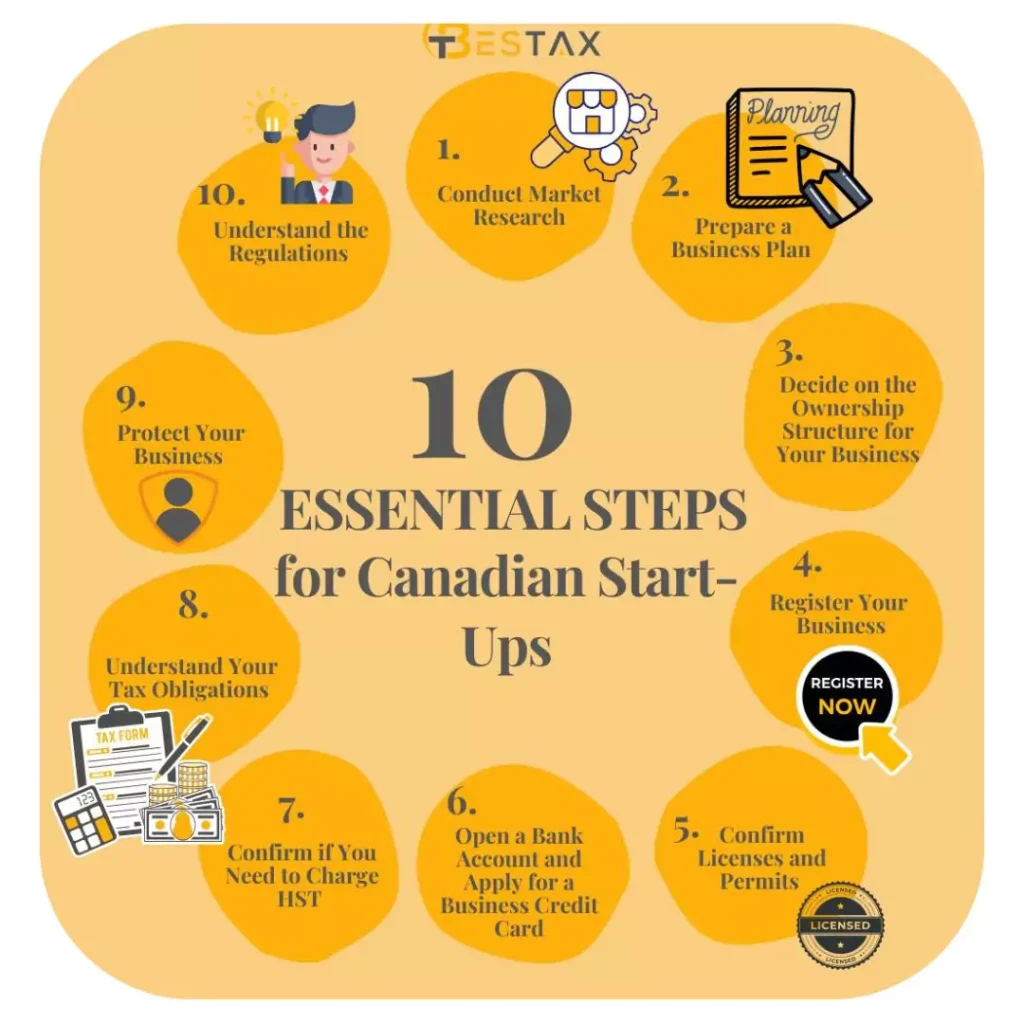
-
Entrepreneurship from Home: Your Ultimate Guide to Starting a Home-Based Business in Canada
- 1. Research and Business Idea Validation
- 2. Legal Structure: Registering Your Business
- 3. Licensing and Permits: Complying with Regulations
- 4. Tax Obligations: Understanding Your Responsibilities
- 5. Financial Planning and Funding
- 6. Insurance: Protecting Your Home and Business
- 7. Marketing and Sales
- Conclusion: Your Home, Your Business, Your Success
Entrepreneurship from Home: Your Ultimate Guide to Starting a Home-Based Business in Canada
The appeal of working from home has never been stronger, and for many Canadians, starting a home-based business offers unparalleled flexibility, reduced overheads, and the opportunity to pursue a passion. Whether you're a newcomer looking to leverage your skills or a long-term resident seeking a new venture, launching a business from your residence in Canada requires careful planning and adherence to specific regulations. This ultimate guide will walk you through the essential steps to successfully start and operate a home-based business in Canada.
1. Research and Business Idea Validation
Before anything else, thoroughly research your business idea. Is there a market for your product or service? Who are your competitors? What makes your offering unique?
 Unlocking Government Benefits: 12 Subsidies You Might Be Eligible For as a PR
- Market Research: Understand your target audience and their needs.
- Feasibility Study: Assess the practicality of your idea.
- Business Plan: Even for a small home-based business, a simple business plan outlining your goals, strategies, and financial projections is crucial.
2. Legal Structure: Registering Your Business
Choosing the right legal structure is a fundamental step with tax and liability implications.
- Sole Proprietorship: The simplest and most common for home-based businesses. You are the business, and there's no legal distinction between you and your business. Easy to set up, but you have unlimited personal liability.
- Partnership: If you're working with one or more people.
- Corporation: A separate legal entity. Offers limited liability but is more complex and expensive to set up and maintain.
You will need to register your business name (unless you operate under your own legal name) with your provincial or territorial government.
 Securing a Personal Loan in Canada With a Thin Credit File
3. Licensing and Permits: Complying with Regulations
This is a critical step for home-based businesses, as you'll need to comply with both municipal and provincial regulations.
- Municipal Business License: Most cities and towns require a business license, even for home-based operations. Check your local municipal website for requirements.
- Zoning Bylaws: Ensure your home-based business complies with local zoning bylaws. Some residential areas have restrictions on the type of business, signage, or customer traffic.
- Provincial/Federal Permits: Depending on your industry, you may need specific provincial or federal permits (e.g., health permits for food businesses, professional licenses).
4. Tax Obligations: Understanding Your Responsibilities
As a self-employed individual, your tax obligations differ from those of an employee.
 Employment Insurance (EI) Explained: Who Qualifies and How to Apply
- Income Tax: You will report your business income and expenses on your personal income tax return (T1) using Form T2125, Statement of Business or Professional Activities.
- GST/HST: If your annual revenue exceeds $30,000, you must register for and collect GST/HST. Even if below, you can register voluntarily to claim Input Tax Credits (ITCs).
- Payroll Deductions: If you hire employees, you'll need to register for a payroll account and remit deductions.
- Installment Payments: If you expect to owe more than $3,000 in taxes, the CRA may require you to pay in quarterly installments.
Pro Tip: Keep meticulous records of all income and expenses. Consider consulting an accountant specializing in small businesses.
5. Financial Planning and Funding
- Separate Bank Account: Open a separate bank account for your business to keep personal and business finances distinct.
- Funding: Explore options like personal savings, small business loans, government grants (e.g., through Futurpreneur Canada), or micro-loans.
6. Insurance: Protecting Your Home and Business
Your standard home insurance policy may not cover business-related risks. You may need:
 The Best Starter Credit Cards for Newcomers in Canada (2025 Review)
- Commercial General Liability (CGL) Insurance: Protects against claims of bodily injury or property damage arising from your business operations.
- Professional Liability (Errors & Omissions) Insurance: If you provide professional advice or services.
- Property Insurance: To cover business equipment and inventory.
7. Marketing and Sales
Even a home-based business needs to attract customers.
- Online Presence: Create a professional website, social media profiles, and a Google My Business listing.
- Networking: Join local business associations, chambers of commerce, and online groups.
- Local Marketing: Consider local advertising, flyers, or partnerships with other local businesses.
Conclusion: Your Home, Your Business, Your Success
Starting a home-based business in Canada offers incredible potential for independence and growth. While it requires diligence in understanding legal and financial obligations, the resources and support available can help you navigate the process. By following these steps, you can transform your home into a thriving business hub, contributing to your financial freedom and the Canadian economy.

Related content