
The Rent vs. Buy Debate: A Financial Breakdown for Canada's Housing Market
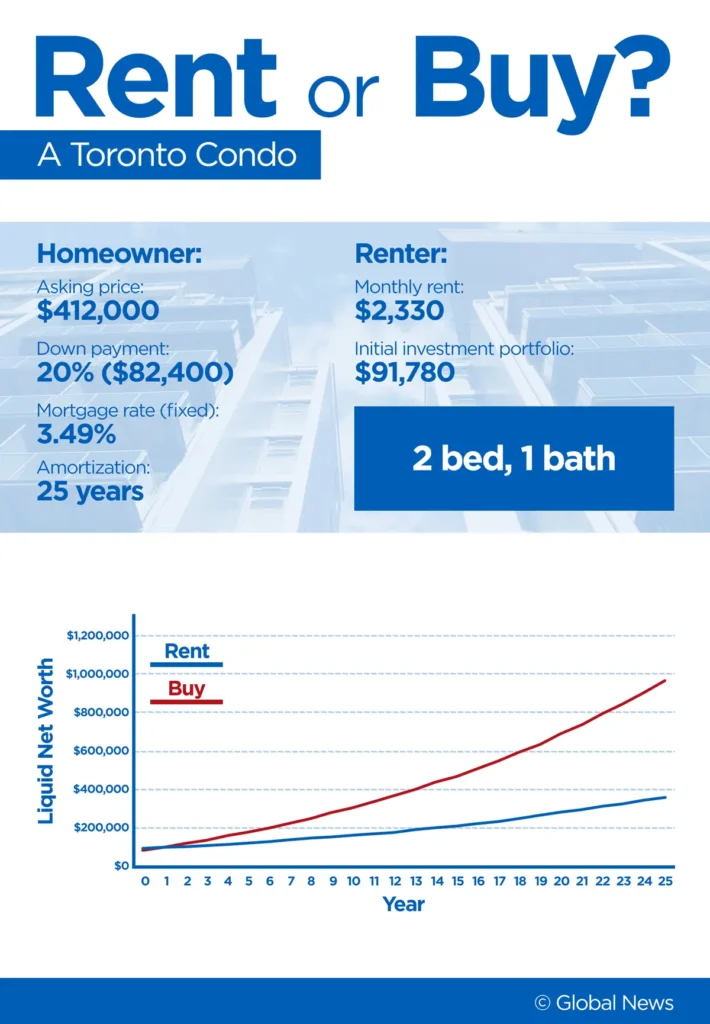
For many Canadians, the question of whether to rent or buy a home is one of the most significant financial decisions they will ever make. This debate is particularly complex in Canada's dynamic housing market, characterized by high prices in major urban centers and varying affordability across regions. There's no one-size-fits-all answer, as the best choice depends on your personal financial situation, lifestyle, and long-term goals. This guide provides a financial breakdown of the rent vs. buy debate in Canada, helping you make an informed decision.
The Financial Realities of Renting
Renting offers flexibility and predictability in monthly housing costs.
Pros of Renting:
- Flexibility: Easier to move for job opportunities, family reasons, or simply to explore new areas. Most leases are 12 months.
- Predictable Costs: Your monthly rent is a fixed expense. You're generally not responsible for property taxes, maintenance, or major repairs.
- Lower Upfront Costs: Typically requires only a security deposit (first and last month's rent in Ontario, damage deposit in BC).
- No Market Risk: You're not exposed to fluctuations in the housing market.
Cons of Renting:
- No Equity Building: Your rent payments don't build equity or contribute to your personal wealth.
- No Asset Appreciation: You don't benefit from any increase in property value.
- Lack of Control: Less freedom to renovate or customize your living space.
- Rent Increases: While regulated, landlords can increase rent annually.
The Financial Realities of Buying
Buying a home is often seen as a long-term investment and a way to build wealth.
Pros of Buying:
- Equity Building: A portion of your mortgage payment goes towards building equity (ownership) in your home.
- Potential Appreciation: Your home's value may increase over time, leading to capital gains.
- Stability: Fixed mortgage payments (for fixed-rate mortgages) provide stability against rising rents.
- Freedom to Customize: You can renovate and personalize your home as you wish.
- Forced Savings: Mortgage payments act as a form of forced savings.
Cons of Buying:
- High Upfront Costs: Requires a significant down payment (minimum 5% for insured mortgages, 20% to avoid CMHC insurance), closing costs (legal fees, land transfer tax, appraisal fees), and moving expenses.
- Ongoing Costs: Responsible for property taxes, home insurance, utilities, maintenance, and potential special assessments (for condos).
- Market Risk: Your home's value can decrease, leading to a loss if you sell.
- Less Flexibility: Selling a home can be a lengthy and costly process.
- Interest Payments: A significant portion of your early mortgage payments goes towards interest.
Financial Breakdown: Rent vs. Buy Calculation
To make an informed decision, it's helpful to compare the true costs of renting versus buying. Consider a hypothetical scenario:
| Expense Category | Renting (Monthly) | Buying (Monthly) |
|---|---|---|
| Rent/Mortgage Payment | $2,000 | $1,800 (Principal & Interest) |
| Property Taxes | $0 | $300 |
| Home Insurance/Tenant Insurance | $30 | $100 |
| Utilities (Heat, Hydro, Water) | $150 (often included in rent) | $250 |
| Maintenance/Repairs | $0 | $150 (budget 1% of home value annually) |
| Total Monthly Housing Cost | $2,180 | $2,600 |
This simplified example shows that while mortgage payments might seem lower than rent, the total cost of homeownership is often higher due to additional expenses. However, the equity built and potential appreciation are long-term benefits of buying.
Factors Beyond Finances
- Lifestyle: Do you value flexibility or stability?
- Market Conditions: Is it a buyer's or seller's market? Are interest rates high or low?
- Long-Term Goals: How long do you plan to stay in the area? Generally, buying is more beneficial for stays of 5 years or more.
Conclusion: Your Personal Financial Journey
The rent vs. buy debate in Canada is complex, with valid arguments on both sides. There's no universal answer; the best decision depends on your unique financial situation, career stability, and personal preferences. By carefully analyzing all the costs, benefits, and your long-term goals, you can make an informed choice that sets you on the right path for your housing and financial future in Canada.

Related content