
How to avoid capital gains on inherited farmland Canada?
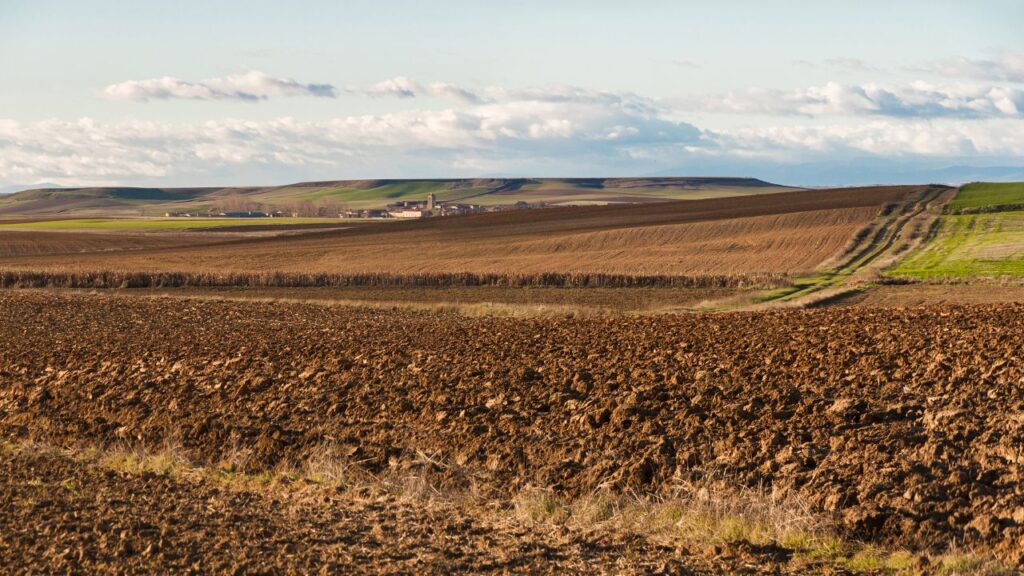
Inheriting farmland in Canada brings with it not only a piece of land but also potential tax implications. Capital gains tax can take a significant bite out of profits when the time comes to sell, but there are ways to mitigate or even avoid these taxes. Understanding the rules and planning ahead are key to securing the financial benefits of your inheritance.
- What is the capital gains exemption for farm property in Canada?
- How does renting out farmland affect capital gains exemption?
- What are the eligibility criteria for capital gains exemption on inherited farmland?
- How to calculate capital gains on farm property
- Case study: avoiding capital gains on inherited farmland
- Tips for maintaining eligibility for farm rollover
- FAQ
What is the capital gains exemption for farm property in Canada?
Canada offers a unique capital gains exemption for qualifying farm property. This exemption allows individuals to exclude a portion of the gains realized from the sale of farm property from their taxable income. It's crucial for heirs of farmland to understand how this can apply to them.
The exemption currently stands at a lifetime limit of $1,000,000, which provides significant tax relief. However, this exemption is not automatic and requires the property to meet certain conditions related to its use and the period of ownership.
Moreover, the Canada Revenue Agency (CRA) has stringent criteria that must be fulfilled for a property to qualify, which includes the requirement that the property must have been actively used for farming by the owner or a family member.
How does renting out farmland affect capital gains exemption?
Leasing out farmland can impact eligibility for the capital gains exemption. Rental activity must meet the CRA's definition of farming, which generally includes cultivating, raising, or harvesting livestock or crops. Casual rental arrangements might jeopardize exemption eligibility.
It's important to have formal rental agreements in place that outline the farming activities. These agreements can serve as proof that the land continues to be used for qualifying farming activities.
Furthermore, renting out to a family member who continues to farm the land can help in maintaining the property's eligibility for the exemption. Professional advice is often recommended to navigate this complex area.
 How to move from one province to another in Canada?
What are the eligibility criteria for capital gains exemption on inherited farmland?
- The land must be in Canada and used in a farming business by the owner or a family member.
- The property must have been owned for at least 24 months before the sale.
- A majority of the farming income must have come from the property in question.
Meeting these criteria is essential for heirs who wish to claim the exemption when they sell. It's a delicate balance of ensuring the land's use aligns with the CRA's requirements while also considering the heirs' long-term plans for the property.
How to calculate capital gains on farm property
Calculating capital gains involves determining the difference between the property's fair market value at the time of inheritance and its sale price. Specific rules may apply for property acquired before 1972, entailing a different basis for calculation.
For inherited property, the cost base is usually the fair market value at the time of the previous owner's death. Any expenses related to the sale, including commissions and legal fees, can also be deducted from the sale price, potentially lowering the taxable gain.
Working with a tax professional to accurately calculate these figures is advisable, as capital gains tax can be complex, and errors may result in penalties or missed opportunities for tax savings.
Case study: avoiding capital gains on inherited farmland
Consider the case of an individual who inherited farmland that was originally purchased by their grandparents. They successfully claimed the capital gains exemption by proving the land was continually used for farming and that the majority of their income came from it.
To strengthen their case, they maintained detailed records of farming activities and income. When the time came to sell, they worked with an accountant specialized in farm taxation to ensure they met all eligibility criteria for the exemption.
This real-world example underscores the importance of record-keeping and understanding tax rules. Heirs who proactively manage their inherited property can potentially save substantial amounts in taxes.
 How to get a mortgage with low income in Canada?
Tips for maintaining eligibility for farm rollover
Engage in active farming practices on the land or lease it to someone who does, under a formal agreement that specifies the farming activities.
Keep detailed records of all farming activities and income generated from the farmland, as this documentation will be crucial if the CRA requires evidence.
Plan for the future by consulting with a tax advisor or estate planner who specializes in farm property. They can provide guidance on how to structure ownership and transfers to maximize tax benefits.
Consider the impact of any changes in the use of the land. If farming activities cease or diminish significantly, this could affect eligibility for the capital gains exemption.
FAQ
How to avoid paying capital gains tax on inherited land in Canada?
To avoid paying capital gains tax on inherited land in Canada, ensure that the property qualifies for the capital gains exemption. It must have been actively used for farming and meet the CRA's criteria.
Exploring options such as the farm rollover provision can also defer taxes, allowing the transfer of the property to a spouse or child without immediate tax implications.
Is there inheritance tax on farmland in Canada?
Canada does not have an inheritance tax per se, but there could be capital gains tax implications when inherited farmland is sold. It's essential to understand these rules to minimize taxes.
 How to fight a handheld device ticket in Ontario?
Heirs should also be aware of probate fees, which vary by province and are based on the value of the estate being transferred.
Can you gift farmland in Canada?
Gifting farmland in Canada is possible, and it can be a strategic move to reduce estate taxes or facilitate farm succession planning. However, the CRA treats gifts as a 'deemed disposition' at fair market value, which could trigger capital gains tax.
It's advisable to consult with a tax professional when considering gifting farmland to ensure compliance with tax laws and optimize tax outcomes.
How to avoid GST on inherited farmland?
Avoiding GST on inherited farmland may be possible if the transfer qualifies as a 'taxable supply.' It's important to establish that the land was used principally in a farming operation by the deceased or a close relative.
Again, professional advice is recommended to navigate the GST rules and ensure that the transfer is structured correctly.
This comprehensive guide aims to provide clarity on how to avoid capital gains on inherited farmland in Canada, with a focus on understanding tax exemptions, eligibility, and strategic planning. Remember, when dealing with inherited farmland, it's not just about knowing the rules – it's about applying them wisely to protect your financial interests.

Related content