
Accessing Mental Health Support in Canada: A Guide to Therapy and Counseling Services

Mental health support in Canada has several routes. You might start with a doctor or a community program. A therapist or crisis service may meet a different need. First, think about the help you need now.
You do not need to know the name of a condition to ask for help. You can describe how you feel and what has changed. Then ask the service what the next step could be.
When mental health support is urgent
If there is immediate danger or a medical emergency, call 911 or go to an emergency department. For thoughts of suicide or concern about someone else, call or text 9-8-8. The service is open day and night across Canada.
Also, ask for help if you are unsure how serious things are. You do not need to wait for a routine therapy visit when you need urgent support.
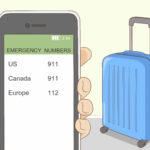 What to Do in a Medical Emergency: A Guide to Canada's 911 System
Start with a doctor or local clinic
A family doctor or nurse practitioner can discuss your symptoms. They may offer care, arrange tests or refer you to another service. If you have no regular doctor, ask a local clinic where to start.
Before the visit, make a short note. Include changes in sleep, mood or appetite. Also, say how daily tasks or work have become harder. Bring a list of medicines and any past care.
For example, you can hand the note to the provider if speaking feels hard. You do not need to turn it into a formal medical report.
Understand the provider's role
A psychiatrist is a doctor who works in mental health. Public coverage depends on the service and your health-plan rules. Ask the clinic whether you need a referral and whether there is a fee.
 The Challenge of Finding a Family Doctor in Canada and How to Overcome It
Other providers offer talk therapy. They include psychologists, psychotherapists, social workers and counsellors. Their training and rules differ across Canada. Therefore, do not assume every provider has the same degree or scope of practice.
Next, check the register for a regulated role in your province. Ask about the provider's work with the concern you have. A title alone does not tell you whether the care fits your needs.
Mental health support: check costs first
Private therapy is not automatically free with a health card. However, some public programs offer care without a private session fee. Work benefits, student plans or an employee assistance program may also help.
Ask the price and the rules for cancelling a visit. Also, ask whether lower-cost care is available. If you have insurance, check which provider types it covers. Next, confirm the annual limit before you rely on it.
 Walk-in Clinics Explained: When and How to Use Them for Quick Medical Care
CAMH's service guide explains common routes to care. CAMH is in Ontario, so check local access rules for services elsewhere.
Ask about community and language options
Local health centres, hospitals and non-profit groups may offer free or lower-cost programs. However, places and waiting times vary. First, ask whether the service accepts people of your age and from your area.
If language is a barrier, ask about an interpreter. You can also ask for a provider who speaks your preferred language. Then check how privacy works before you share your full history.
For further options, use CAMH's help list. Check the service's own page for hours and access rules. A general list does not promise an open place today.
 Moving Provinces: How to Transfer Your Health Coverage
Prepare a clear next step
- Describe the main concern in your own words.
- Say how long it has affected daily life.
- Ask what care is available and what it costs.
- Discuss language and access needs.
- Ask what to do if things worsen while you wait.
Finally, keep the appointment details and follow-up plan. If the first route cannot help, ask where to turn next. Our 911 guide explains emergency calls. Keep that route separate from routine mental health support.

Related content