
How do I become a wedding officiant in Ontario?
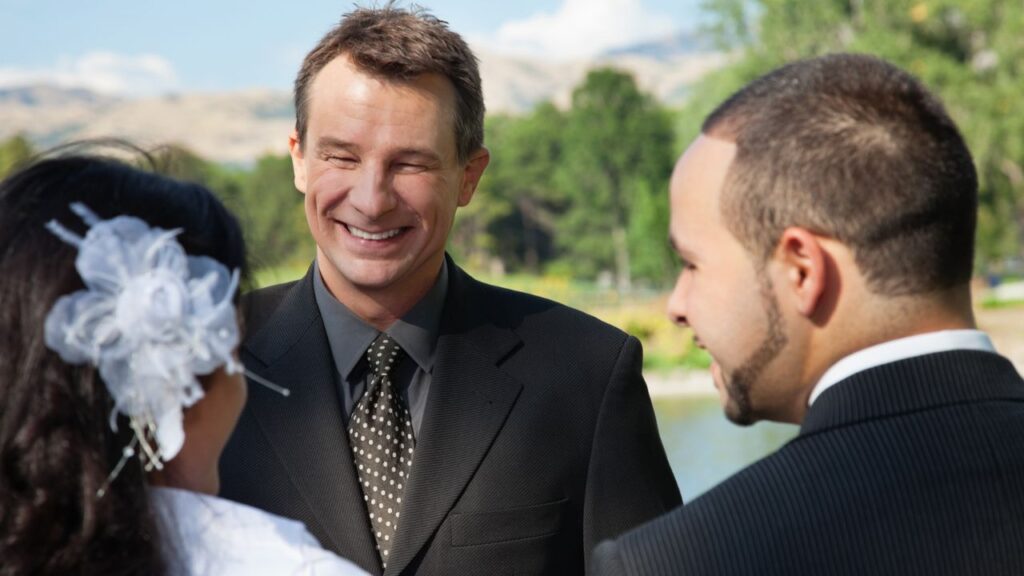
Becoming a wedding officiant in Ontario is a rewarding endeavor that allows you to play a significant role in one of the most important days of a couple's life. Whether you're considering this path as a profession or want to officiate a friend or family member's wedding, it's essential to understand the legal requirements and steps involved.
This guide provides a comprehensive overview of everything you need to know to become a wedding officiant in Ontario, including legal requirements, training, and tips for creating a memorable ceremony.
What are the legal requirements to officiate a wedding in Ontario?
The first step in becoming a wedding officiant in Ontario is understanding the legal requirements. In Ontario, only certain individuals are authorized to perform weddings legally. These include judges, justices of the peace, municipal clerks, and clergy members of recognized religious organizations.
To officiate a wedding legally, you must be authorized under the Marriage Act. This means you need to be either ordained or appointed by a religious organization or appointed by the government in the case of judges and justices of the peace.
Organizations such as the Ontario Humanist Society also offer pathways to becoming a wedding officiant. These organizations require you to meet specific eligibility criteria, undergo training, and maintain good standing within the organization.
It's crucial to comply with both governmental and organizational regulations to ensure the legality of your officiation. Failure to do so can result in the marriage being deemed invalid.
 How to become therapist in Ontario?
How can a friend or family member officiate your wedding?
Having a friend or family member officiate your wedding can add a personal and meaningful touch to your ceremony. However, there are specific steps and considerations to keep in mind to ensure everything is done legally and smoothly.
Firstly, the person you choose must meet Ontario's legal requirements for officiants. This often involves becoming ordained through a recognized religious organization or joining an organization like the Ontario Humanist Society.
Next, your chosen officiant should be prepared to undergo any necessary training or certification. This ensures they understand their responsibilities and can perform the ceremony legally and effectively.
It's also essential for the officiant to work closely with the couple to understand their preferences and create a personalized ceremony script. This collaboration helps ensure the ceremony reflects the couple's values and relationship.
Steps to becoming a licensed officiant in Ontario
To become a licensed wedding officiant in Ontario, follow these steps:
- Research the different pathways to becoming an officiant, such as joining a recognized religious organization or the Ontario Humanist Society.
- Meet the eligibility criteria for the chosen pathway, which may include membership duration, training, and a background check.
- Complete the necessary training and obtain any required certification or ordination credentials.
- Apply for a license or authorization to officiate weddings in Ontario.
- Stay informed about any updates or changes in the legal requirements for officiants in Ontario.
Following these steps ensures that you are fully prepared and legally authorized to officiate weddings in Ontario.
 How much does a consumer proposal cost?
Training and certification for wedding officiants
Training and certification are vital components of becoming a successful wedding officiant. Different organizations offer various training programs, each designed to equip you with the knowledge and skills needed to perform wedding ceremonies effectively.
For example, the Ontario Humanist Society provides comprehensive training that includes modules on the legal aspects of officiating, creating personalized ceremonies, and understanding the humanist philosophy. These programs ensure you are well-prepared for your role.
Similarly, other religious organizations may offer ordination programs that include theological training, ceremony planning, and public speaking skills. Completing these programs helps you gain the confidence and competence needed to officiate weddings.
It's essential to choose a training program that aligns with your values and goals as an officiant. Ensure the program is recognized by Ontario authorities to guarantee the legality of your officiation.
Tips for preparing your wedding officiant script
Creating a memorable and meaningful wedding officiant script is crucial for a successful ceremony. Here are some tips to help you prepare:
- Understand the couple's preferences and values to create a personalized script that reflects their relationship.
- Incorporate traditional or cultural elements that are important to the couple or their families.
- Keep the script concise and engaging, ensuring it holds the audience's attention.
- Practice your delivery to ensure you are comfortable and confident during the ceremony.
- Include meaningful quotes or readings that resonate with the couple and their guests.
By following these tips, you can create a wedding officiant script that makes the ceremony unforgettable for everyone involved.
 How to obtain a pardon in Ontario?
FAQ
How long does it take to become a wedding officiant in Ontario?
Becoming a wedding officiant in Ontario can vary in duration depending on the route you choose. For those joining a religious organization or the Ontario Humanist Society, it might take several months to a year to complete the necessary training, application process, and get ordained or appointed. This duration includes meeting the membership duration requirements, completing training modules, and obtaining certification.
If you opt to get ordained online through a recognized organization, the process might be quicker, potentially taking a few weeks to a few months. However, you still need to ensure you meet Ontario's legal requirements and might need additional preparation time for ceremony planning and practice.
Can you become an officiant online in Ontario?
Yes, it is possible to become an officiant online in Ontario through various recognized religious organizations that offer online ordination. This process typically involves completing an online application, paying any necessary fees, and receiving your ordination credentials. It's important to choose an organization that is recognized by the Ontario authorities to ensure the legality of your officiation.
However, becoming an officiant online does not exempt you from adhering to Ontario's legal requirements for officiating weddings. You may still need to undergo additional training or certification to meet provincial standards and be legally allowed to perform wedding ceremonies.
Who can legally officiate a wedding in Ontario?
In Ontario, legal wedding officiants include judges, justices of the peace, municipal clerks, and clergy members of recognized religious organizations. These individuals must be authorized under the Marriage Act to perform wedding ceremonies. Judges and justices of the peace are appointed by the government, whereas clergy members must be ordained or appointed by their religious organization.
Additionally, individuals can become wedding officiants by joining organizations like the Ontario Humanist Society, which involves meeting specific eligibility criteria, completing training, and serving in good standing. It's crucial for all officiants to comply with both governmental and organizational regulations to ensure the legality of the marriage ceremony.
 How to sell a financed car without paying it off?
How much does a wedding officiant make in Ontario?
The income of a wedding officiant in Ontario can vary widely based on several factors, including experience, reputation, location, and the number of ceremonies performed. On average, wedding officiants in Ontario might charge between $200 to $500 per ceremony. Experienced officiants with a strong reputation could potentially charge higher fees.
Some officiants might also offer additional services such as personalized ceremony scripts, rehearsals, and travel to various venues, which can increase their overall earnings. Additionally, those who perform multiple ceremonies, especially during peak wedding seasons, have the potential to earn a significant income.

Related content