
The Landlord and Tenant Board of Ontario: Your First Line of Defense in a Dispute
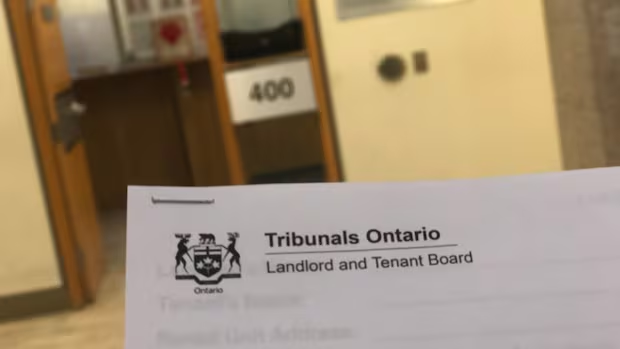
Resolving Rental Conflicts: The Landlord and Tenant Board of Ontario Explained
For renters and landlords in Ontario, disputes can unfortunately arise. Whether it's about unpaid rent, maintenance issues, or eviction notices, navigating these conflicts can be stressful and confusing. Fortunately, Ontario has a specialized tribunal designed to resolve these issues fairly and efficiently: the Landlord and Tenant Board (LTB). Understanding the LTB's role, when to contact them, and how they can help is crucial for protecting your rights and finding resolutions. This guide will explain the LTB as your first line of defense in a dispute.
What is the Landlord and Tenant Board (LTB)?
The LTB is an independent tribunal that provides information about the Residential Tenancies Act (RTA), resolves disputes between residential landlords and tenants, and issues legally binding orders. It is part of Tribunals Ontario and operates under the principle of providing fair and accessible justice.
Key Functions of the LTB:
- Information: Provides information about the rights and responsibilities of landlords and tenants under the RTA.
- Mediation: Offers mediation services to help parties reach a mutually agreeable solution.
- Hearings: Conducts formal hearings to resolve disputes if mediation is unsuccessful.
- Orders: Issues legally binding orders that can enforce rights, order payment of money, or order evictions.
When to Contact the LTB
You should contact the LTB when you have a dispute with your landlord or tenant that you cannot resolve directly. Common issues brought before the LTB include:
 10 Common Mistakes to Avoid When Renting Your First Apartment in Toronto
- For Landlords:
- Non-payment of rent.
- Tenant causing damage to the rental unit.
- Tenant disturbing other tenants or the landlord.
- Landlord's own use of the property (e.g., moving in, selling).
- For Tenants:
- Landlord not maintaining the rental unit.
- Illegal entry by the landlord.
- Illegal rent increases.
- Landlord harassment.
- Disputes over deposits.
Important: The LTB does not handle criminal matters or issues related to discrimination (which fall under the Human Rights Tribunal of Ontario).
How to Contact and Apply to the LTB
The LTB has a formal application process. It's crucial to use the correct forms and follow the procedures precisely.
Step 1: Attempt Direct Resolution (Recommended)
Before applying to the LTB, always try to resolve the issue directly with the other party. Communicate in writing (email or letter) and keep records of all correspondence. This shows the LTB you made an effort to resolve the dispute amicably.
 SIN vs. ITN: The Definitive Guide to Your First Canadian Tax Number
Step 2: Get the Right Form
Visit the Tribunals Ontario website (specifically the LTB section) to download the correct application form for your specific dispute. There are different forms for different issues (e.g., Form L1 for non-payment of rent, Form T2 for tenant rights). Read the instructions carefully.
Step 3: Complete the Application
Fill out the form accurately and completely. Provide all necessary details, dates, and supporting evidence. Attach copies of relevant documents (e.g., lease agreement, notices, communication records, photos).
Step 4: File the Application
You can file your application online through the Tribunals Ontario Portal, by mail, or in person at an LTB office. There is a filing fee, which may be waived if you meet certain low-income criteria.
 Furnishing Your First Canadian Home on a Budget: A Shopper's Guide
Step 5: Serve the Application
Once filed, you must "serve" (officially deliver) a copy of the application and any supporting documents to the other party. Rules for service are strict and must be followed precisely. You cannot serve the document yourself; it must be done by someone else (e.g., a friend, family member, or a professional process server).
Step 6: Attend the Hearing
Both parties will be notified of the hearing date. Hearings are typically conducted by a Member (adjudicator) of the LTB. Be prepared to present your case, provide evidence, and answer questions. You can represent yourself, or be represented by a lawyer, paralegal, or authorized agent.
Tips for a Successful LTB Process
- Document Everything: Keep meticulous records of all communications, payments, and incidents.
- Know the RTA: Familiarize yourself with the Residential Tenancies Act.
- Seek Legal Advice: Consider consulting with a lawyer or paralegal specializing in landlord-tenant law, or a community legal clinic.
- Be Prepared: Organize your evidence, practice your presentation, and be ready to answer questions.
Conclusion: Your Rights are Protected
The Landlord and Tenant Board of Ontario serves as a vital resource for resolving disputes and protecting the rights of both landlords and tenants. While navigating a legal dispute can be stressful, understanding the LTB's role and process empowers you to seek fair resolution. Don't hesitate to utilize this essential service to ensure your tenancy is just and lawful.
 Decoding Your Ontario Standard Lease Agreement: 12 Clauses You Must Understand
Related content