
Does Canada allow dual citizenship?
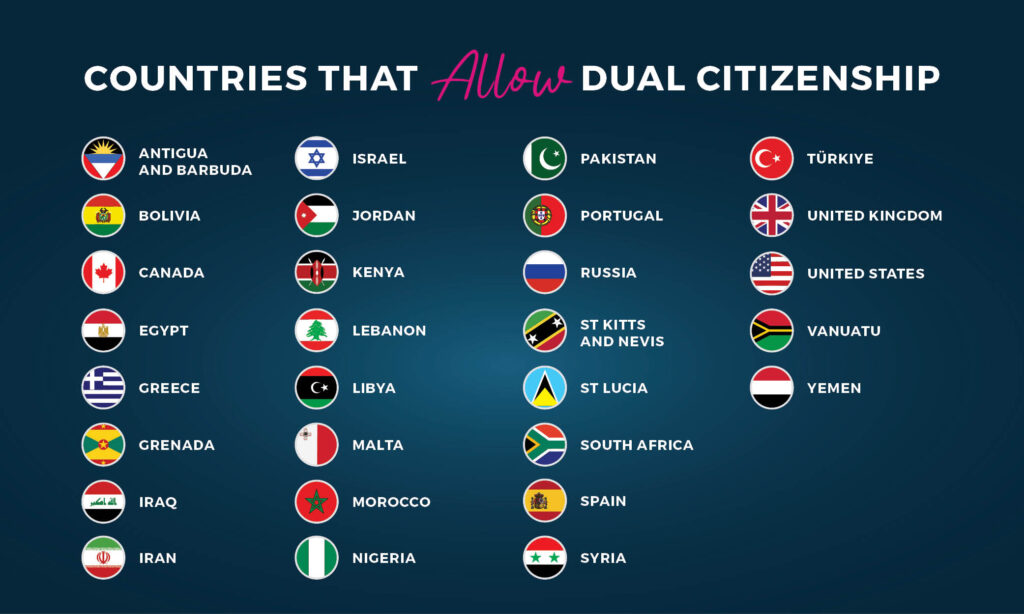
Dual citizenship is a concept that allows individuals to hold citizenship in more than one country simultaneously. This practice has become increasingly common, especially among immigrants. Understanding how does Canada allow dual citizenship is essential for those considering making Canada their home.
This article explores various aspects of dual citizenship in Canada, including its benefits, disadvantages, and the application process. It aims to provide a comprehensive overview for anyone interested in obtaining Canadian citizenship while maintaining ties to their home country.
- What is dual citizenship?
- Can I be a dual citizen if I immigrate to Canada?
- Does Canada allow dual citizenship with other countries?
- What are the requirements for dual citizenship in Canada?
- What are the benefits of being a dual citizen in Canada?
- What are the disadvantages of dual citizenship in Canada?
- How do I apply for dual citizenship in Canada?
- FAQ
What is dual citizenship?
Dual citizenship refers to the legal status of an individual who holds citizenship in two countries at the same time. This means that the person is legally recognized as a citizen in both nations, enjoying the rights and privileges that come with it. Each country may have different laws regarding the rights and obligations of dual citizens.
In Canada, dual citizenship is permitted, allowing Canadians to acquire foreign citizenship without losing their Canadian status. However, it is essential to understand the implications this may have on legal matters, including taxation and travel regulations.
Many people pursue dual citizenship to benefit from the rights and opportunities available in both countries, such as access to education, healthcare, and employment. However, the responsibilities that come with such status must also be considered.
Can I be a dual citizen if I immigrate to Canada?
If you immigrate to Canada and are considering does Canada allow dual citizenship, the answer is yes. Immigrants can hold dual citizenship, meaning they can retain their original citizenship while becoming Canadian citizens.
However, it is crucial to check the laws of your home country, as not all countries allow dual citizenship. Some nations may require you to renounce your original nationality upon acquiring a new one.
 In demand jobs in Manitoba
For many immigrants, dual citizenship offers the opportunity to maintain cultural ties and access benefits from their home country while enjoying the rights of a Canadian citizen. This dual status enables individuals to travel freely between both countries without issues related to visas or residency.
Does Canada allow dual citizenship with other countries?
Yes, Canada allows dual citizenship with many countries. However, specific rules and regulations vary depending on the country in question. For instance, does Canada allow dual citizenship with India? The answer is yes, as Indian citizens can acquire Canadian citizenship without losing their Indian nationality.
On the other hand, some countries, such as Japan and China, have stricter rules regarding dual citizenship. It is essential for individuals to research the citizenship laws of their home country before pursuing dual citizenship with Canada.
- Countries that allow dual citizenship with Canada include:
- Australia
- United Kingdom
- France
- India
It is important to consult the embassy or consulate of your home country for specific regulations regarding dual citizenship. Understanding these laws can help avoid legal complications in the future.
What are the requirements for dual citizenship in Canada?
To qualify for dual citizenship in Canada, applicants must meet specific criteria set by Citizenship and Immigration Canada. Generally, the requirements for obtaining Canadian citizenship include:
- Being a permanent resident of Canada.
- Having lived in Canada for a specified period (usually three out of the last five years).
- Proving language proficiency in English or French.
- Passing a citizenship test on Canadian history, values, and governance.
Once these requirements are met, individuals can apply for Canadian citizenship while retaining their original citizenship. It is essential to ensure that obtaining Canadian citizenship does not violate the laws of the other country involved.
What are the benefits of being a dual citizen in Canada?
Holding dual citizenship in Canada offers numerous benefits, including:
 Criteria for public weather alerts
- Access to social services: Dual citizens can enjoy the benefits of Canada’s healthcare system and social services.
- Travel freedom: They can travel between both countries without needing a visa or special permits.
- Employment opportunities: Dual citizenship allows individuals to work in both countries without restrictions.
- Voting rights: As citizens, they have the right to vote in elections in both nations.
Moreover, dual citizens can pass on their citizenship to future generations, providing their children with the same rights and opportunities. This status can be particularly advantageous for families looking to maintain connections with their heritage while integrating into Canadian society.
What are the disadvantages of dual citizenship in Canada?
While dual citizenship offers many advantages, there are potential disadvantages as well. Some of these include:
- Tax obligations: Dual citizens may be subject to tax laws in both countries, which can complicate financial reporting.
- Legal complications: Different countries have varying laws regarding issues like military service, which can create conflicts for dual citizens.
- Travel restrictions: Some countries may impose restrictions on dual citizens, such as requiring entry or exit visas.
It is crucial to weigh these potential disadvantages against the benefits when considering dual citizenship. Understanding the legal implications and responsibilities is key to making an informed decision.
How do I apply for dual citizenship in Canada?
Applying for dual citizenship in Canada involves several steps, which include:
- Ensure eligibility: Confirm that you meet all the requirements for Canadian citizenship.
- Gather documents: Collect the necessary documentation, including proof of residency, language proficiency, and identification.
- Complete the application: Fill out the citizenship application form accurately.
- Pay the fees: Submit the required fees for processing your application.
- Attend an interview: You may be required to attend an interview as part of the application process.
After submitting your application, the processing time can vary. It's advisable to check the official website of Citizenship and Immigration Canada for the latest updates on processing times and requirements.
FAQ
Which countries do not allow dual citizenship?
Several countries do not permit dual citizenship, meaning individuals must choose one nationality. Some of these include:
- Japan
- China
- India (under certain conditions)
- Saudi Arabia
Individuals looking to hold dual citizenship while residing in these countries must consider the legal implications and potential need to renounce their original nationality.
 Canada announces new support for Canadian businesses affected by U.S. tariffs
Can a US citizen get Canadian citizenship?
Yes, a U.S. citizen can acquire Canadian citizenship. Many Americans seek to move to Canada for various reasons, including work, study, or family reunification. The process typically involves obtaining permanent residency before applying for citizenship.
U.S. citizens must meet the same residency and eligibility requirements as other applicants and should be aware of any potential tax implications associated with holding dual citizenship.
What are the disadvantages of dual citizenship in Canada?
As mentioned earlier, dual citizenship in Canada can lead to legal and financial complexities. One of the main disadvantages is the potential for conflicting obligations under the laws of both countries.
Additionally, dual citizens may face challenges related to military service, inheritance laws, and taxation, which can differ significantly between countries. It is crucial for individuals to fully understand these aspects before pursuing dual citizenship.
Does Canada allow dual citizenship with Pakistan?
Yes, Canada permits dual citizenship with Pakistan. Pakistani citizens can obtain Canadian citizenship without having to renounce their Pakistani nationality.
However, as with any other country, it is essential for individuals to understand the legal implications and requirements of both nations when considering dual citizenship.

Related content