
Condo vs. Apartment: Understanding the Key Differences in the Canadian Market
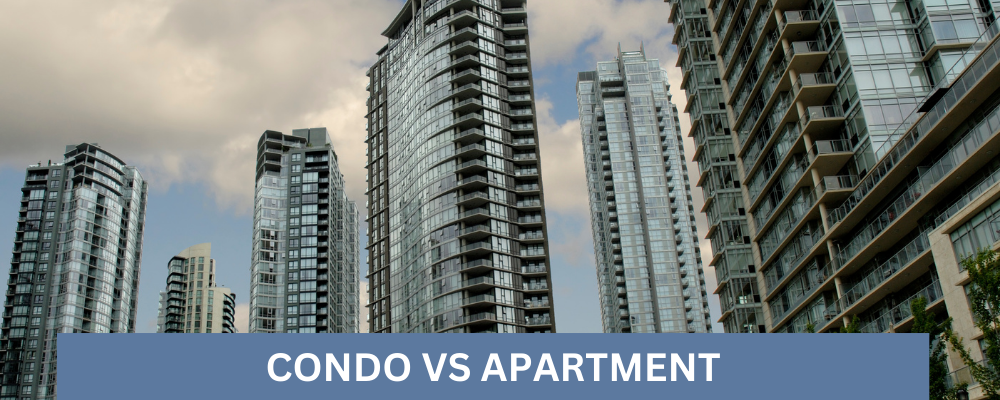
Finding Your Home: Condo vs. Apartment in the Canadian Market
For newcomers and those navigating Canada's housing market, the terms "condo" and "apartment" are often used interchangeably, but they represent distinct types of housing with significant differences in ownership, costs, and responsibilities. Understanding these distinctions is crucial for making an informed decision about where to live. This guide will break down the key differences between condos and apartments in Canada.
What is an Apartment?
In Canada, an "apartment" typically refers to a rental unit within a building that is owned by a single landlord or a corporation. You, as the tenant, pay rent to the landlord, and they are responsible for the building's maintenance, repairs, and property taxes.
Key Characteristics of Apartments:
- Ownership: The entire building is owned by one entity (individual or company). You rent the unit.
- Lease Agreement: You sign a lease with the landlord.
- Maintenance: Landlord is responsible for all major repairs, maintenance, and common areas.
- Costs: Monthly rent, utilities (sometimes included), and tenant insurance.
- Flexibility: Generally easier to move out after your lease term.
What is a Condo (Condominium)?
A "condominium" (or condo) refers to a type of ownership, not necessarily a type of building. While most condos are apartments in high-rise buildings, they can also be townhouses or even detached homes. When you buy a condo, you own your individual unit, and you also own a share of the common elements (e.g., hallways, gym, lobby, roof, exterior walls) with other unit owners.
Key Characteristics of Condos:
- Ownership: You own the unit.
- Condo Corporation: The building is managed by a condo corporation, which is governed by a board of directors elected by the unit owners.
- Condo Fees (Maintenance Fees): Monthly fees paid by owners to cover the cost of maintaining common elements, building insurance, and sometimes utilities.
- Special Assessments: Owners may be required to pay additional lump sums for major repairs or upgrades not covered by the reserve fund.
- Rules and Bylaws: Condo corporations have bylaws that all owners and tenants must follow (e.g., pet restrictions, noise rules, renovation guidelines).
- Costs: Mortgage payments, property taxes, condo fees, utilities (often not included), and home insurance (for your unit's interior).
Condo vs. Apartment: A Comparative Analysis
| Feature | Apartment (Rental) | Condo (Owned) |
|---|---|---|
| Ownership Type | Tenant (renting from landlord) | Owner (owning the unit and share of common elements) |
| Monthly Payments | Rent + some utilities | Mortgage + Property Taxes + Condo Fees + utilities |
| Maintenance/Repairs | Landlord's responsibility | Condo Corp. for common areas; Owner for inside unit |
| Upfront Costs | First/last month's rent, security deposit (for pets) | Down payment, closing costs, legal fees |
| Flexibility | High (easier to move) | Lower (selling can take time) |
| Building Equity | No | Yes (through mortgage payments and appreciation) |
Renting a Condo: A Hybrid Option
It's also common to rent a condo from an individual owner. In this scenario, you are a tenant, and the condo owner is your landlord. You would sign a lease agreement with the owner, and your rights would be governed by provincial tenancy laws. The owner would be responsible for paying the condo fees and property taxes.
Which Option is Right for You?
- Choose an Apartment if: You prioritize flexibility, have a limited budget for upfront costs, prefer predictable monthly expenses, or are not ready for the responsibilities of homeownership.
- Choose a Condo if: You want to build equity, desire amenities (gym, pool, concierge), are comfortable with condo fees and bylaws, and are looking for a long-term investment.
Conclusion: Informed Decisions for Your Canadian Home
Understanding the fundamental differences between renting an apartment and owning a condo is essential for making the right housing decision in Canada. Each option comes with its own set of financial implications, responsibilities, and lifestyle benefits. By carefully considering your long-term goals, financial situation, and personal preferences, you can choose the housing type that best suits your needs and helps you establish a comfortable and secure home in Canada.
