
What to Do in a Medical Emergency: A Guide to Canada's 911 System
For newcomers to Canada, understanding how to respond in a medical emergency is crucial. While Canada boasts a universal healthcare system, knowing when and how to access emergency services, particularly the 911 system, can be life-saving. This guide will walk you through what to do in a medical emergency, how the 911 system works, and how to prepare yourself for such situations.
Understanding the 911 System in Canada
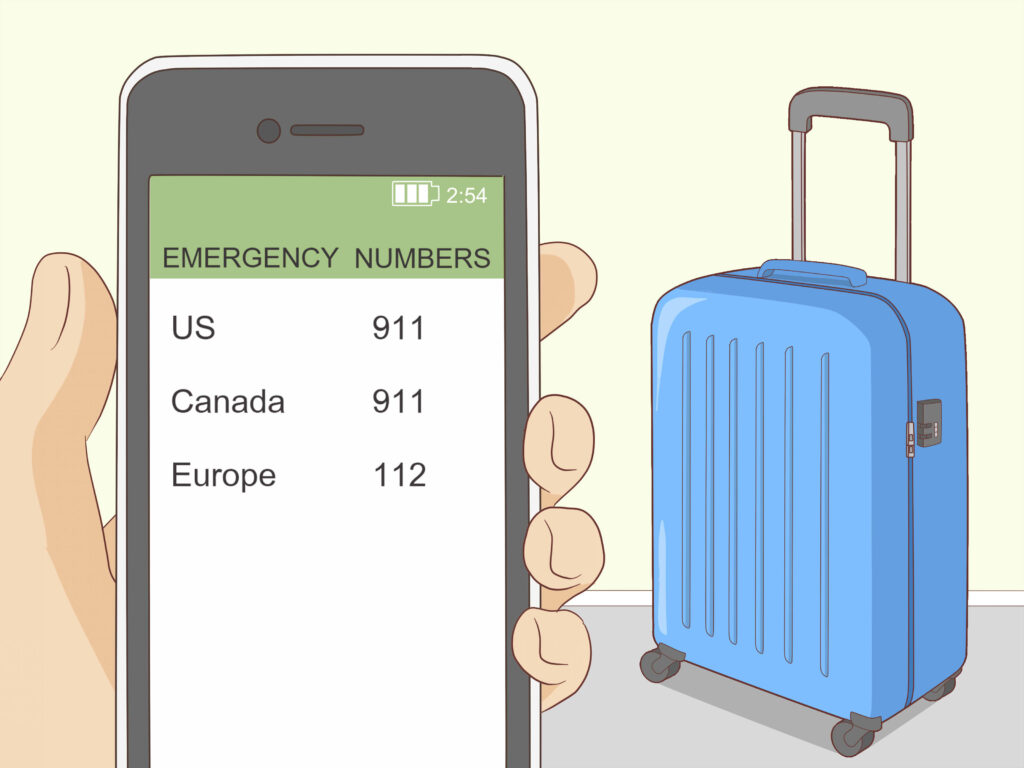
The 911 emergency telephone number is a universal service across Canada. It connects you to emergency services: police, fire, and ambulance. It's a free call from any phone, including cell phones, and operates 24/7.
When to Call 911:
You should only call 911 in a genuine emergency, which means:
- Someone's health, safety, or property is in immediate danger.
- A crime is in progress.
- A fire has broken out.
- A serious medical emergency (e.g., chest pain, difficulty breathing, severe injury, unconsciousness).
Do NOT call 911 for: General inquiries, non-emergency medical advice, or if you're unsure whether it's an emergency (unless you genuinely believe there's an immediate threat).
 The Challenge of Finding a Family Doctor in Canada and How to Overcome It
What to Expect When You Call 911 for a Medical Emergency
When you dial 911, a trained emergency operator will answer. They will ask you a series of questions to determine the nature of your emergency and dispatch the appropriate services.
Key Information to Provide:
- Your Location: This is the most critical piece of information. Be as precise as possible (address, city, nearest intersection, landmarks).
- The Type of Emergency: Clearly state that it's a medical emergency.
- What Happened: Briefly describe the situation (e.g., "My father is having chest pain," "My child fell and is unconscious").
- The Patient's Condition: Provide details about the person's symptoms, age, and any known medical conditions.
- Your Phone Number: In case the call gets disconnected.
Important: Do not hang up until the operator tells you to. They may provide instructions on how to assist the patient until paramedics arrive.
What Happens When Paramedics Arrive
Paramedics (also known as Emergency Medical Services or EMS) are highly trained professionals who provide immediate medical care. They will assess the patient's condition, provide first aid, and transport them to the nearest appropriate hospital if necessary.
Cost of Ambulance Services:
While emergency medical care in hospitals is covered by provincial health insurance, ambulance services may incur a fee, which varies by province. Some provinces charge a flat fee, while others may waive it if the patient is admitted to the hospital. Private health insurance or employer benefits often cover ambulance fees.
 Walk-in Clinics Explained: When and How to Use Them for Quick Medical Care
Preparing for a Medical Emergency
Being prepared can make a significant difference in an emergency situation.
- Know Your Address: Memorize your full address, including your postal code.
- Medical Information: Keep a list of your and your family's medical conditions, allergies, and medications easily accessible (e.g., on the fridge, in your wallet).
- Emergency Contacts: Have a list of emergency contacts (family, friends) readily available.
- First Aid Kit: Keep a well-stocked first aid kit at home and in your car.
- Learn Basic First Aid/CPR: Consider taking a first aid and CPR course.
- Non-Emergency Numbers: Know the non-emergency line for your local police department for situations that don't require 911.
When to Go to a Walk-in Clinic or Family Doctor Instead of 911
For non-life-threatening conditions (e.g., common cold, flu, minor cuts, sprains), it's more appropriate to visit a walk-in clinic or your family doctor. This helps keep emergency rooms free for critical cases.
Conclusion: Your Safety is a Priority
Understanding Canada's 911 system and knowing how to act in a medical emergency is a vital part of settling into your new home. By being prepared, knowing when to call for help, and providing clear information, you can ensure that you and your loved ones receive timely and appropriate care. Your safety and well-being are paramount in Canada.
