
University vs. College in Canada: Choosing the Right Path for Your Career
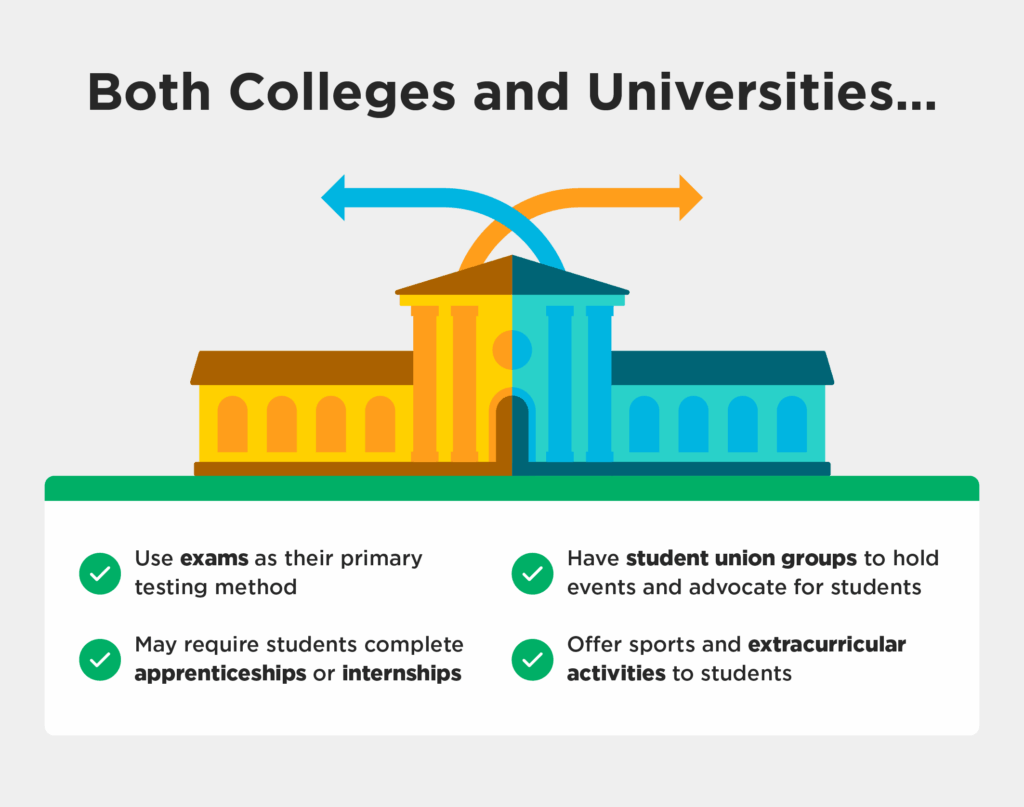
For students, especially newcomers, deciding between a university and a college in Canada can be a pivotal choice for their future career. Both offer high-quality education, but their approaches, program lengths, costs, and career outcomes differ significantly. Understanding these distinctions is crucial for choosing the path that best aligns with your academic goals, learning style, and professional aspirations.
Understanding Universities in Canada
Universities in Canada are primarily focused on academic and theoretical learning, research, and critical thinking. They offer undergraduate and graduate degrees.
 More Than Just Books: Unlocking the Power of Canada's Public Library System
Key Characteristics of Universities:
- Academic Focus: Strong emphasis on theory, research, and foundational knowledge.
- Degrees Offered: Bachelor's, Master's, and Doctoral (PhD) degrees.
- Program Length: Bachelor's degrees typically take 3-4 years; Master's 1-2 years; PhDs 3-6+ years.
- Class Size: Can be very large, especially in first-year undergraduate courses.
- Research Opportunities: Abundant opportunities for research, particularly at the graduate level.
- Cost: Generally higher tuition fees than colleges.
- Career Path: Often leads to professions requiring advanced degrees (e.g., doctors, lawyers, researchers, academics).
Understanding Colleges (and Polytechnics) in Canada
Colleges (also known as polytechnics or Cégeps in Quebec) are more focused on practical, hands-on training and preparing students directly for the workforce. They offer diplomas, certificates, and sometimes applied degrees.
Key Characteristics of Colleges:
- Applied Focus: Strong emphasis on practical skills, industry-specific training, and direct application of knowledge.
- Credentials Offered: Certificates (typically 1 year), Diplomas (2-3 years), and sometimes Bachelor's degrees (applied degrees).
- Program Length: Shorter programs, typically 1-3 years.
- Class Size: Generally smaller class sizes, allowing for more personalized attention.
- Co-op and Internships: Many programs include co-op placements or internships, providing valuable work experience.
- Cost: Generally lower tuition fees than universities.
- Career Path: Often leads to skilled trades, technical roles, and direct entry into various industries.
University vs. College: A Comparative Analysis
| Feature | University | College |
|---|---|---|
| Primary Focus | Theory, Research, Critical Thinking | Practical Skills, Hands-on Training, Job-Ready |
| Credentials | Bachelor's, Master's, PhD | Certificates, Diplomas, Applied Degrees |
| Program Length | 3-6+ years | 1-3 years |
| Class Size | Often large lectures | Generally smaller |
| Cost (Tuition) | Higher | Lower |
| Work Experience | Less common (more research-focused) | Often includes co-op/internships |
| Career Path | Professions requiring advanced degrees, research | Skilled trades, technical roles, direct entry into industry |
Choosing the Right Path for You
Your decision should be based on your individual goals and preferences:
 Free English and French Classes (LINC/CLIC): A Newcomer’s Most Valuable Resource
- If you enjoy theoretical learning, research, and aspire to professions like medicine, law, or academia, a university might be your best fit.
- If you prefer hands-on learning, want to enter the workforce quickly, or are interested in skilled trades and technical roles, a college program could be ideal.
It's also common for students to start at a college and then transfer to a university (known as "college-to-university pathways") to complete a degree, leveraging the practical skills from college and the academic foundation from university.
Conclusion: Both Paths Lead to Success
Both universities and colleges in Canada offer excellent educational opportunities and can lead to successful careers. There is no "better" option, only the one that is better suited for your individual aspirations. By carefully considering your learning style, career goals, and financial situation, you can make an informed decision that sets you on the right path for your future in Canada.
 The Simple Guide to Enrolling Your Children in a Canadian Public School