
Moving with Pets: A Step-by-Step Guide to Bringing Your Furry Friend to Canada
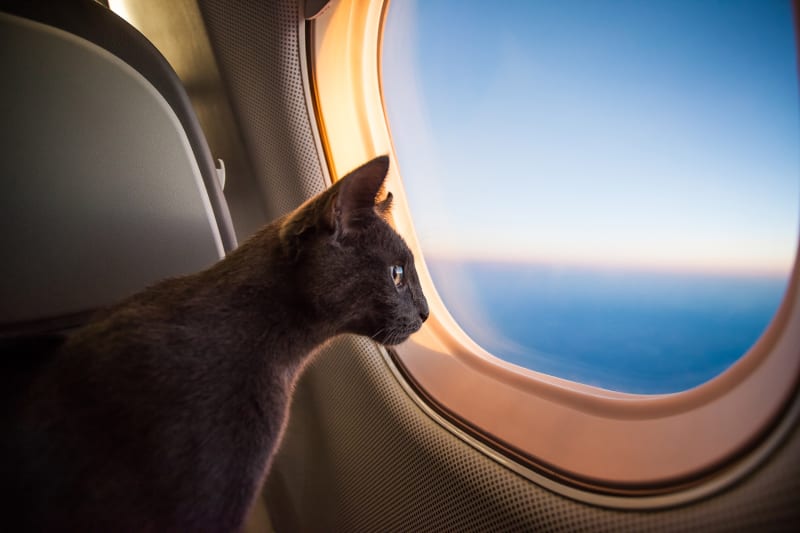
Bringing Your Beloved Companion: A Guide to Moving with Pets to Canada
For many, pets are cherished family members, and the thought of moving to a new country without them is unimaginable. Fortunately, Canada is a pet-friendly nation, but bringing your furry (or feathered, or scaled) friend across international borders requires careful planning and adherence to specific regulations. This step-by-step guide will help you navigate the process of bringing your pet to Canada, ensuring a smooth and stress-free journey for both of you.
1. Understand Canada's Import Requirements
The Canadian Food Inspection Agency (CFIA) is responsible for regulating the import of animals into Canada. Requirements vary depending on the type of animal, its country of origin, and its intended use (e.g., personal pet, commercial import).
For Dogs and Cats (Most Common Pets):
- Rabies Vaccination: All dogs and cats over three months of age must be vaccinated against rabies. The vaccination must be administered at least 28 days before entering Canada and be valid for the entire stay.
- Rabies Vaccination Certificate: This certificate must be original, in English or French, issued by a licensed veterinarian, and clearly identify the animal, the vaccine used, and the date of vaccination.
- Microchip (Recommended): While not always mandatory, a microchip is highly recommended for identification and can be required by airlines or for re-entry into some countries.
- Health Certificate (Sometimes Required): Depending on the country of origin, a general health certificate from a veterinarian may be required. Check CFIA guidelines for your specific country.
Important: Always check the latest CFIA import requirements for your specific pet and country of origin well in advance of your travel date, as regulations can change.
2. Choose Your Mode of Transport
How your pet travels will depend on the airline, the size of your pet, and your budget.
- In-Cabin: Small pets (usually under 10 kg/22 lbs, including carrier) may be allowed in the cabin if they can fit under the seat in front of you. There's a limited number of pets allowed per flight, so book early.
- Checked Baggage: Larger pets that meet airline size and weight restrictions can travel in the cargo hold as checked baggage. This is usually temperature-controlled and pressurized.
- Cargo: For very large pets, or if you're shipping your pet separately, they will travel as cargo. This is often handled by specialized pet transport companies.
Airline-Specific Rules: Each airline has its own specific rules, fees, and carrier requirements. Contact your airline directly and well in advance to understand their pet policy.
3. Prepare Your Pet for Travel
Travel can be stressful for animals. Proper preparation can minimize anxiety.
- Vet Check-up: A pre-travel vet visit ensures your pet is healthy enough to travel. Discuss any concerns with your vet.
- Crate Training: If your pet will be in a crate, start crate training well in advance to make it a positive and familiar space.
- Familiarization: Put familiar blankets or toys in the carrier to provide comfort.
- Food and Water: Provide water in a spill-proof dish. Do not sedate your pet unless specifically advised by a vet.
4. Documentation and Customs Upon Arrival
Upon arrival in Canada, you and your pet will go through customs. Have all your pet's documents (rabies certificate, health certificate if required) readily available.
- Inspection: Your pet may be subject to an inspection by a CFIA officer at the port of entry. There may be a fee for this inspection.
- Be Prepared for Questions: Answer all questions truthfully and have all necessary paperwork in order.
5. Settling Your Pet into Your New Canadian Home
Once you've arrived, help your pet adjust to their new environment.
- Routine: Establish a consistent routine for feeding, walks, and playtime.
- Veterinarian: Find a local veterinarian for a check-up and to register your pet.
- Licensing: Most municipalities in Canada require pets to be licensed. Check with your local city hall.
- Pet-Friendly Housing: Ensure your long-term accommodation is pet-friendly.
Conclusion: A New Adventure Together
Bringing your pet to Canada is a journey that requires diligence and attention to detail. By understanding and adhering to the import regulations, preparing for travel, and helping your pet adjust to their new surroundings, you can ensure a safe and happy transition for your beloved companion. Your new Canadian adventure awaits, and it's even better with your furry friend by your side.

Related content