
How to become a pilot in Canada?
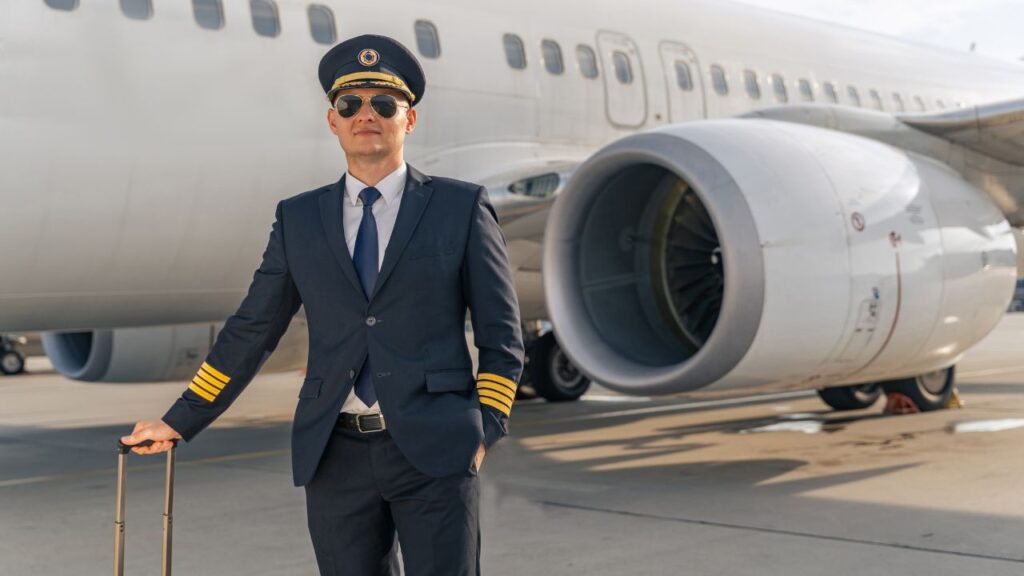
Fulfilling the dream of becoming a pilot in Canada requires an understanding of the steps and qualifications necessary to soar the skies. Whether you aspire to navigate commercial airliners or smaller private planes, the journey begins with a commitment to rigorous training and a passion for aviation.
While the path may seem daunting, it unlocks a world of adventure and opportunities, leading to a career that literally takes you to new heights. In this comprehensive guide, we'll explore the essential information you need to embark on this exciting career path.
- What are the qualifications needed to become a pilot in Canada?
- How much does it cost to become a commercial pilot in Canada?
- What are the medical requirements for pilots in Canada?
- How many flight hours are required to become a commercial pilot?
- What licenses do you need to become a pilot?
- How to choose the best flight school in Canada
- FAQ
What are the qualifications needed to become a pilot in Canada?
The journey to becoming a pilot in Canada starts with meeting the basic qualifications. Prospective pilots must be at least 18 years of age and possess a secondary school diploma or equivalent. While a post-secondary education is not mandatory, it can be advantageous in a competitive field.
Beyond the educational requirements, candidates must also demonstrate proficiency in English or French. Language is critical in aviation for clear communication. Additionally, aspiring pilots should have a strong grasp of mathematics and physics to understand the technical aspects of flying.
To proceed, individuals must obtain a Student Pilot Permit, which involves passing the Transport Canada written exam and a radio telephone operator's certificate. This permit is the first step towards earning a Private Pilot License (PPL), which is necessary before pursuing commercial pilot training.
Character traits such as good judgment, problem-solving skills, and the ability to remain calm under pressure are also vital for success in this field. With these qualifications in hand, one can begin the exciting process of flight training.
 How much do Uber drivers make in Vancouver?
How much does it cost to become a commercial pilot in Canada?
Funding the dream of becoming a commercial pilot is a significant investment. In Canada, the cost for a Commercial Pilot License (CPL) can vary greatly depending on the flight school and the individual's pace of learning. On average, you can expect to spend between C$40,000 to C$60,000 for complete training.
These costs cover ground school instruction, flight training hours, medical exams, and testing fees. It's important to budget for additional expenses such as textbooks, equipment, and examination retakes, if necessary.
Financial planning is key, and some students opt for financing options or scholarships offered by aviation organizations. It's advisable to research and compare the pilot training costs in Canada from various flight schools to find the best fit for your financial situation.
What are the medical requirements for pilots in Canada?
Maintaining a certain level of health is imperative for pilot safety. In Canada, pilots must undergo regular medical examinations to obtain and retain a Category 1 Medical Certificate. These stringent exams assess vision, hearing, heart rhythm, and overall physical health.
Medical examiners approved by Transport Canada conduct these examinations, which must be passed before applying for a pilot license. Conditions such as color blindness or uncontrolled diabetes may disqualify an individual from becoming a pilot.
It's essential to schedule a medical exam early in your training process to ensure you meet the medical requirements for Canadian pilots. Staying informed about the health standards set by Transport Canada can save time and resources down the line.
 How much can an Uber driver make in Toronto?
How many flight hours are required to become a commercial pilot?
The road to becoming a commercial pilot involves logging a significant number of flight hours. In Canada, the minimum requirement is 200 hours total flight time, of which 100 hours must be as pilot-in-command. These hours include both dual and solo flights, night flying, and cross-country navigation.
Each stage of pilot licensing, from private to commercial, demands additional hours and specific flight experiences. For instance, an Instrument Flight Rules (IFR) rating, which allows pilots to fly in low visibility conditions, requires additional training and flight time.
Accruing these flight hours for a commercial pilot in Canada not only satisfies regulatory requirements but also builds valuable experience and confidence in handling various flying conditions.
What licenses do you need to become a pilot?
Becoming a pilot in Canada means obtaining several licenses, each serving as a milestone on the career path. It starts with a Private Pilot License (PPL), which allows for flying non-commercially. After gaining experience, the next step is the Commercial Pilot License (CPL), necessary for remunerated flight operations.
In addition to the PPL and CPL, pilots may pursue ratings for multi-engine aircraft, instrument flying (IFR), and instructor certifications, each requiring additional training and examination. These licenses and ratings ensure that pilots are proficient and versatile in their skills.
After obtaining a CPL, pilots interested in flying for airlines work towards an Airline Transport Pilot License (ATPL), which is the highest level of aircraft pilot certification. Securing an ATPL requires meeting higher standards of flight hours and knowledge.
 How to buy a domain name Canada?
How to choose the best flight school in Canada
Selecting the right flight school is crucial for your success and career prospects. When researching the best flight schools in Canada, consider factors like accreditation, quality of training, fleet condition, and success rates of graduates.
Speak to alumni, visit campuses, and assess the credentials of instructors to gauge the school's reputation. Additionally, financial considerations and location may influence your choice.
Some top flight schools offer specialized programs, like those affiliated with Canadian Forces Flying Training, which can provide unique opportunities and a competitive edge in the industry.
FAQ
How much does it cost to become a pilot in Canada?
The cost to become a pilot in Canada varies, but for a commercial pilot license, expect to spend between C$40,000 to C$60,000. This includes the cost of ground school, flight training, and examination fees. Additional expenses such as equipment and textbooks should also be factored into the budget.
How many years does it take to become a pilot in Canada?
Becoming a pilot in Canada can take anywhere from 2 to 4 years, depending on the type of license pursued and the individual's training pace. The process involves ground school, flight training, and accumulating the required flight hours for various certifications.
How much does a pilot get paid in Canada?
Pilot salaries in Canada vary based on experience, employer, and type of aircraft flown. Entry-level pilots may start at a lower range, while experienced pilots flying for major airlines can earn a significant income, with some salaries reaching over C$100,000 annually.
 How do I cancel car insurance?
Is it hard to get a pilot job in Canada?
The competitiveness of the pilot job market in Canada depends on current industry demand and qualifications. With the right licenses, ratings, and experience, along with networking and continuous skill improvement, finding a job as a pilot can be achievable.
As you embark on the path to becoming a pilot in Canada, remember that dedication, thorough training, and meeting the necessary qualifications will be your keys to success. The skies await those who are prepared to take on the challenge and reach for the heights of an aviation career.

Related content