
How to become a firefighter in Ontario?
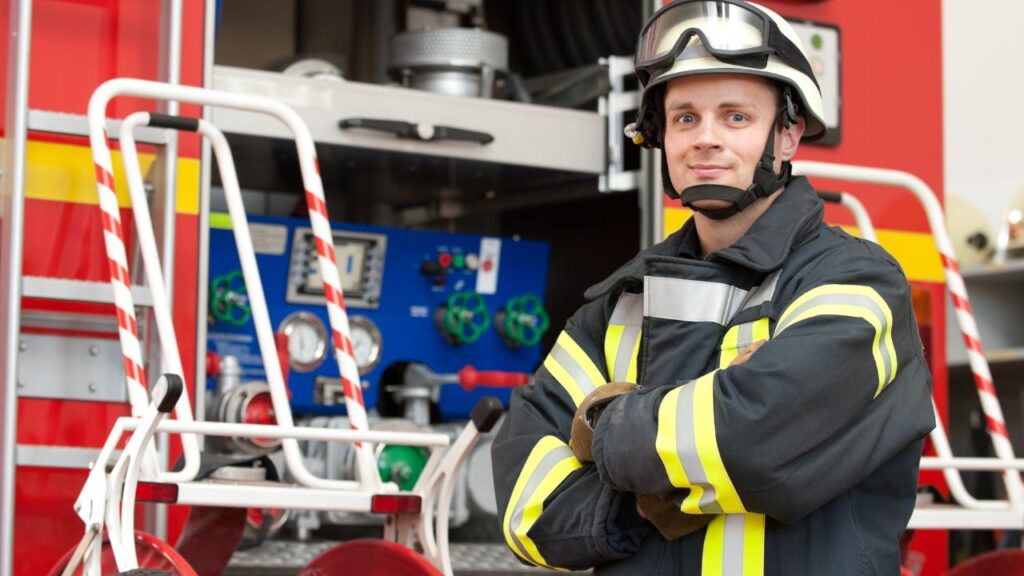
If you're aspiring to become a hero in your community by pursuing a career in firefighting, Ontario offers a challenging and rewarding path. Understanding the requirements and training involved is the first step towards joining the ranks of these brave men and women who work tirelessly to ensure our safety. In this article, we'll explore the process of becoming a firefighter in Ontario, from meeting the minimum requirements to enhancing your application with specialized certifications.
Minimum requirements to become a firefighter in Ontario
Becoming a firefighter is not just about having the courage to face flames but also meeting specific criteria that ensure you're ready for the job. In Ontario, the journey begins with fulfilling the minimum requirements to become a firefighter. These are essential to ensure that all applicants start on an equal footing and have the basic qualifications necessary for this demanding role.
Firstly, candidates must be at least 18 years old and legally entitled to work in Canada. Furthermore, a clean legal record, particularly free from serious criminal convictions, is mandatory. An Ontario Secondary School Diploma (OSSD) or equivalent is another basic educational requirement.
However, these are just the most basic necessities. Some municipalities may have additional qualifications, such as specific driver's licenses, language fluency, or physical fitness levels. Therefore, it is crucial to check the specific requirements for the area where you intend to apply.
Lastly, all applicants will be subjected to a series of tests and assessments, have to undergo a medical examination, and provide the necessary documentation. It's worth noting that honesty is paramount, as falsifying any credentials can lead to disqualification from the process.
 How to win a refugee case in Canada?
Firefighter training programs in Ontario
Once you've established that you meet the minimum requirements, the next step is to enroll in one of the many firefighter training programs in Ontario. These programs are designed to provide the knowledge and hands-on experience needed to excel in the field of firefighting.
Training institutions like the Fire and Emergency Training Institute (FESTI) offer comprehensive courses that cover fire suppression, emergency medical response, and hazardous materials handling. Such programs typically last around 12 weeks for full-time students, but this can vary.
- NFPA Firefighter courses
- Hazardous materials training
- Standard First Aid Certification
It's not just about the duration but also the intensity and depth of the training. Many programs include real-life scenarios to prepare recruits for the physical and mental challenges they will face as firefighters.
Firefighter recruitment and selection process
The firefighter recruitment process in Ontario is rigorous and competitive. After completing the necessary training, aspiring firefighters must navigate through a series of selection stages.
These stages usually include written examinations, interviews, practical skills assessments, and psychological evaluations. Each step is designed to test not only the candidate's knowledge and skills but also their character and suitability for the profession.
 Who is executor if no will in Ontario?
It's important for applicants to remain patient and persistent throughout the recruitment process, as it can be lengthy and demanding. However, this thorough selection process ensures that only the best-suited candidates join the fire service.
Understanding fire department ranks in Canada
In any organization, understanding the hierarchy is crucial for new entrants. In the Canadian fire service, there are various fire department ranks in Canada that dictate the structure and responsibilities within the department.
The ranks range from Probationary Firefighter to Fire Chief, with several levels in between, such as Captain, Lieutenant, and Battalion Chief. Each rank comes with its own set of duties, and as one progresses, they take on more leadership and administrative responsibilities.
Knowing these ranks is not just about recognizing authority but also about understanding the path for career advancement. For those aspiring to move up within the service, knowledge of this structure is critical.
Enhancing your application with EMS certifications
In a field where every second count and lives are at stake, having a diverse skill set can be a game-changer. This is where EMS certifications for firefighters come into play.
 How to avoid tax on severance pay in Canada?
Emergency Medical Services (EMS) certifications provide firefighters with the essential medical skills needed to respond to a variety of emergencies. Certifications in CPR, Advanced Life Support, and other emergency procedures can significantly enhance a firefighter's application.
Not only do these certifications prepare firefighters to provide critical care in medical emergencies, but they also demonstrate a candidate's dedication to public service and their commitment to continuous learning.
Having EMS certifications can be particularly advantageous during the recruitment process, as fire services increasingly look for versatile candidates who can perform a wide range of duties.
FAQ
How hard Is It to become a firefighter in Ontario?
The path to becoming a firefighter in Ontario is challenging due to the stringent requirements and competitive selection process. Despite these hurdles, with the right preparation and determination, it is an achievable goal.
How long is firefighter school in Ontario?
Firefighter school duration varies, but most full-time training programs last around 12 weeks. Additional specialized certifications can extend the training period.
 How to become a foster parent in Ontario?
How much do firefighters get paid in Ontario?
Salaries for firefighters in Ontario range based on experience and rank, with entry-level positions starting between $50,000 and $60,000 annually.
Are firefighters in demand in Ontario?
There is a steady demand for firefighters in Ontario, especially as older firefighters retire and the emphasis on fire prevention and medical response grows. Opportunities for new firefighters are continually arising.

Related content