
A Beginner's Guide to Getting a Fishing or Hunting License in Canada
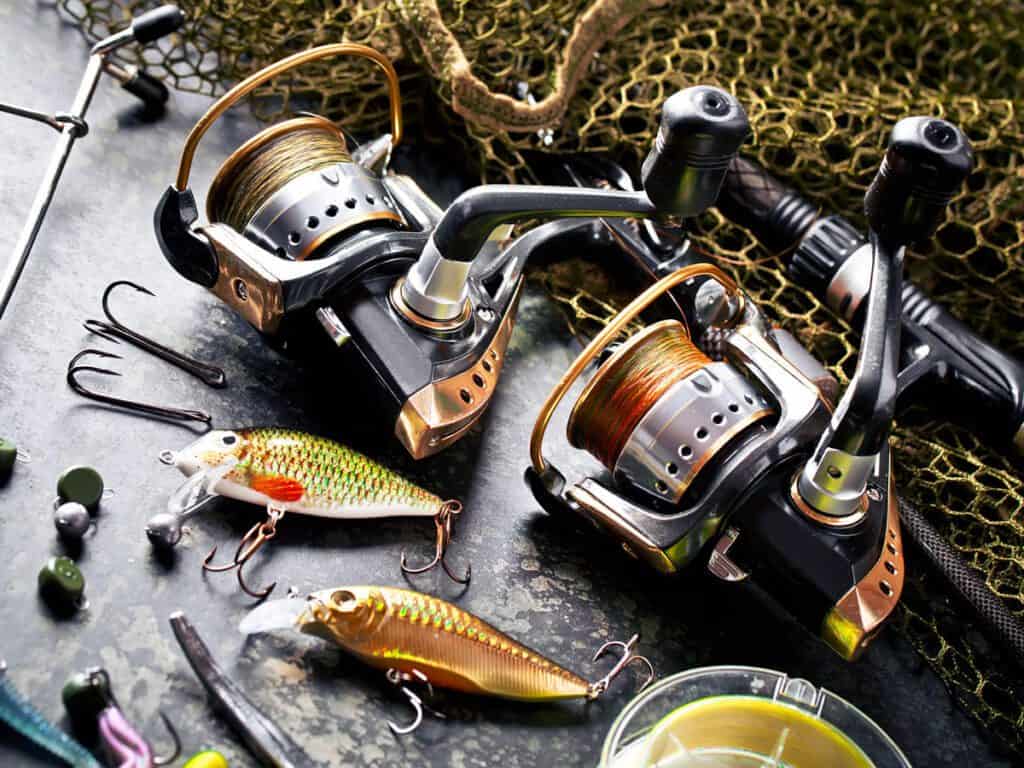
Embracing the Outdoors: Your Guide to Fishing and Hunting Licenses in Canada
Canada is renowned for its vast wilderness, pristine lakes, and abundant wildlife, offering unparalleled opportunities for outdoor enthusiasts. For many, fishing and hunting are cherished traditions or exciting new hobbies. However, participating in these activities legally requires understanding and obtaining the correct licenses. This beginner's guide will walk you through the process of getting a fishing or hunting license in Canada, highlighting key regulations and the importance of conservation.
Understanding the Basics: Provincial Jurisdiction
In Canada, fishing and hunting regulations, including licensing, are primarily managed at the provincial and territorial level. This means the rules, fees, and application processes will vary depending on where you plan to fish or hunt.
Key Principles:
- Conservation: Licenses are a tool for wildlife management and conservation, ensuring sustainable populations.
- Revenue: Fees collected from licenses often fund conservation efforts, habitat protection, and enforcement.
- Safety: Hunting often requires additional safety courses and certifications.
Getting a Fishing License in Canada
Almost anyone who wants to fish in Canada (with very few exceptions, like some Indigenous rights) needs a fishing license. This applies to both residents and non-residents.
General Requirements:
- Provincial License: You will need a license from the province or territory where you plan to fish.
- National Park License: If you plan to fish in a National Park, you will also need a separate National Park fishing permit, in addition to any provincial license.
- Conservation vs. Regular: Many provinces offer different types of licenses (e.g., "conservation" licenses for reduced catch limits, or "regular" licenses for higher limits).
How to Get a Fishing License:
- Online: Most provinces offer online licensing systems, which are the easiest way to purchase.
- Authorized Retailers: Many bait and tackle shops, sporting goods stores, and some general stores sell fishing licenses.
- Service Centres: Provincial government service centres.
Documents Needed: Typically, you'll need a valid ID and proof of residency (if applying for a resident license).
Getting a Hunting License in Canada
Hunting regulations are generally more complex than fishing, with stricter requirements due to safety and wildlife management concerns.
General Requirements:
- Hunter Education Course: You must complete a recognized hunter education course (often called a Hunter Safety Course) in Canada. This course covers firearm safety, wildlife identification, hunting ethics, and regulations.
- Firearms License (PAL): If you plan to hunt with a firearm, you will need a valid Possession and Acquisition Licence (PAL) issued by the RCMP. This requires a separate application and safety course.
- Provincial Hunting License: You will need a license from the province or territory where you plan to hunt.
- Tags/Permits: For specific species (e.g., deer, moose, bear), you will need additional tags or permits, often obtained through a draw system.
How to Get a Hunting License:
- Hunter Education: Enroll in and pass a provincial hunter education course.
- PAL: Apply for and obtain your PAL if you plan to use firearms.
- Online/Retailers: Purchase your provincial hunting license online or from authorized vendors.
Important: Hunting regulations are highly specific to species, season, and location. Always consult the official provincial hunting regulations guide before heading out.
Conservation and Ethical Practices
Responsible fishing and hunting are deeply rooted in conservation principles. Always:
- Follow Regulations: Adhere to catch limits, season dates, and legal methods.
- Respect Wildlife: Practice ethical hunting and fishing, minimizing stress and harm to animals.
- Protect Habitats: Leave no trace, dispose of waste properly, and avoid disturbing natural environments.
- Report Poaching: Report any suspicious or illegal activities to provincial authorities.
Conclusion: Responsible Enjoyment of Canada's Outdoors
Canada's natural beauty and abundant wildlife offer incredible opportunities for fishing and hunting. By understanding and adhering to the licensing requirements and regulations, you can enjoy these activities responsibly and contribute to the conservation of Canada's precious natural resources. Embrace the outdoors, but always do so legally and ethically, ensuring these traditions can be enjoyed for generations to come.
