
A Newcomer's Guide to Public Transit in Toronto, Vancouver, and Montreal
Mastering Urban Mobility: Your Guide to Public Transit in Canada's Major Cities
For newcomers arriving in Canada's bustling metropolises, understanding and utilizing public transit is key to independence, saving money, and navigating daily life. While each city has its unique system, the underlying principles are similar. This guide provides a comprehensive overview of public transit in Toronto, Vancouver, and Montreal, equipping you with the knowledge to travel efficiently and confidently.
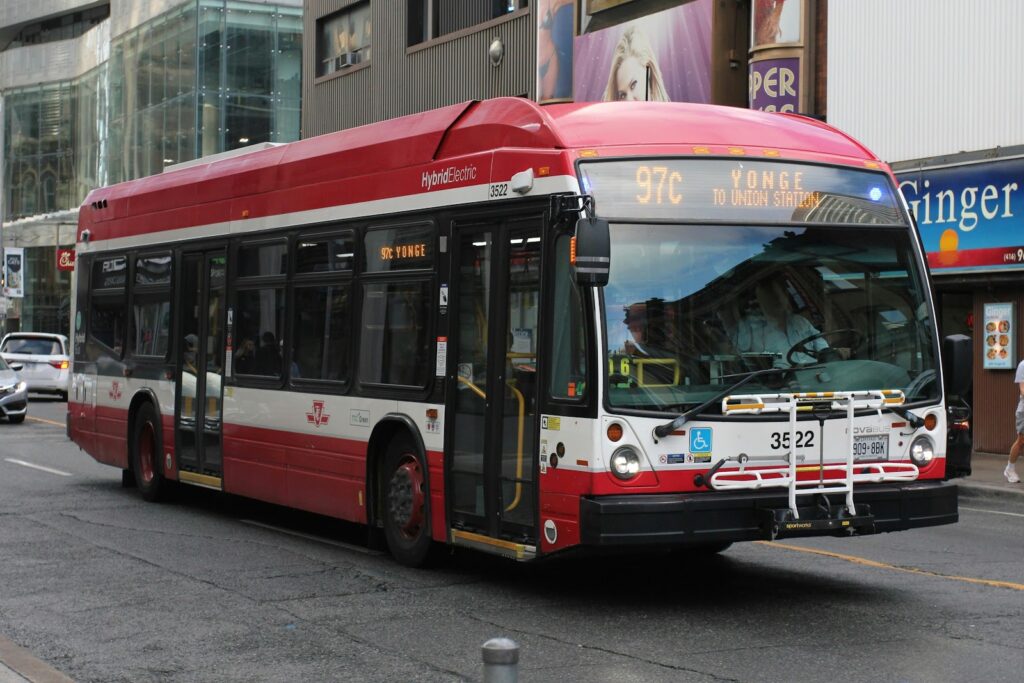
1. Toronto: The Toronto Transit Commission (TTC)
The TTC is Canada's largest public transit system, serving the Greater Toronto Area with subways, streetcars, and buses.
System Overview:
- Subway: The backbone of the system, with four main lines connecting key areas.
- Streetcars: Primarily operate in the downtown core, offering a unique urban experience.
- Buses: Extensive network covering areas not served by subway or streetcar.
Fares and Passes:
- PRESTO Card: The electronic fare card used across the GTA. It's reloadable and offers discounted fares compared to cash. You can buy and load PRESTO cards at subway stations, Shoppers Drug Mart, and online.
- Single Fare: $3.30 (PRESTO) or $3.35 (cash).
- Monthly Pass: Approximately $156.
Tips for Newcomers:
- Download the Transit App: Apps like Transit or Google Maps provide real-time tracking and trip planning.
- Understand Transfers:s A single fare allows for transfers between subway, streetcar, and bus within a two-hour window. Tap your PRESTO card every time you board.
- Rush Hour: Subways can be very crowded during peak hours (7-9 AM, 4-6 PM).
2. Vancouver: TransLink
TransLink operates the integrated public transit system in Metro Vancouver, including the SkyTrain, SeaBus, and buses.
System Overview:
- SkyTrain: An automated rapid transit system with three lines (Expo, Millennium, Canada Line) connecting Vancouver with surrounding municipalities.
- SeaBus: A passenger ferry connecting Downtown Vancouver with North Vancouver.
- Buses: Extensive network covering areas not served by SkyTrain.
Fares and Passes:
- Compass Card: The electronic fare card used across the TransLink system. Reloadable and offers discounted fares. Available at SkyTrain stations, London Drugs, and online.
- Zones: Fares are based on the number of zones you travel through during peak hours (weekdays until 6:30 PM). Off-peak travel is always a 1-zone fare.
- Single Fare (1-Zone): $2.55 (Compass) or $3.10 (cash).
- Monthly Pass (1-Zone): Approximately $105.
Tips for Newcomers:
- Tap In and Out: Always tap your Compass Card when entering and exiting SkyTrain stations and SeaBus terminals. For buses, only tap when entering.
- Zone System: Be mindful of zones during peak hours to avoid extra charges.
- Bike-Friendly: Many buses have bike racks, and bikes are allowed on SkyTrain during off-peak hours.
3. Montreal: Société de transport de Montréal (STM)
The STM operates Montreal's Metro (subway) and bus network, known for its efficiency and unique station architecture.
System Overview:
- Metro: Four color-coded lines (Green, Orange, Yellow, Blue) covering the island of Montreal and Longueuil.
- Buses: Extensive network complementing the Metro, especially useful for areas not directly served by subway.
Fares and Passes:
- OPUS Card: The reloadable smart card for fares. Available at Metro stations and some retailers.
- Single Fare: $3.75 (OPUS) or $3.75 (cash, exact change required on buses).
- Monthly Pass: Approximately $97.
Tips for Newcomers:
- Underground City: Many Metro stations connect to Montreal's "Underground City" (RESO), allowing you to navigate downtown comfortably in winter.
- Transfers: A single fare allows for transfers between Metro and bus within a 120-minute period.
- Bilingual: All signs and announcements are in both French and English.
General Tips for Public Transit in Canada
- Download Apps: Use official transit apps or Google Maps for real-time information and trip planning.
- Be Aware of Rush Hour: Transit can be very crowded during morning and evening commutes.
- Safety: Public transit is generally safe, but be aware of your surroundings, especially late at night.
- Accessibility: Most major transit systems offer accessible services for individuals with disabilities.
Conclusion: Your Key to Urban Exploration
Public transit in Canada's major cities is a reliable, efficient, and often cost-effective way to get around. By familiarizing yourself with the local system, understanding fare options, and utilizing available apps, you can confidently explore your new city, commute to work or school, and fully experience urban life without the need for a car.

Related content