
Surviving Your First Canadian Winter: A Newcomer's Guide to Clothing and Gear
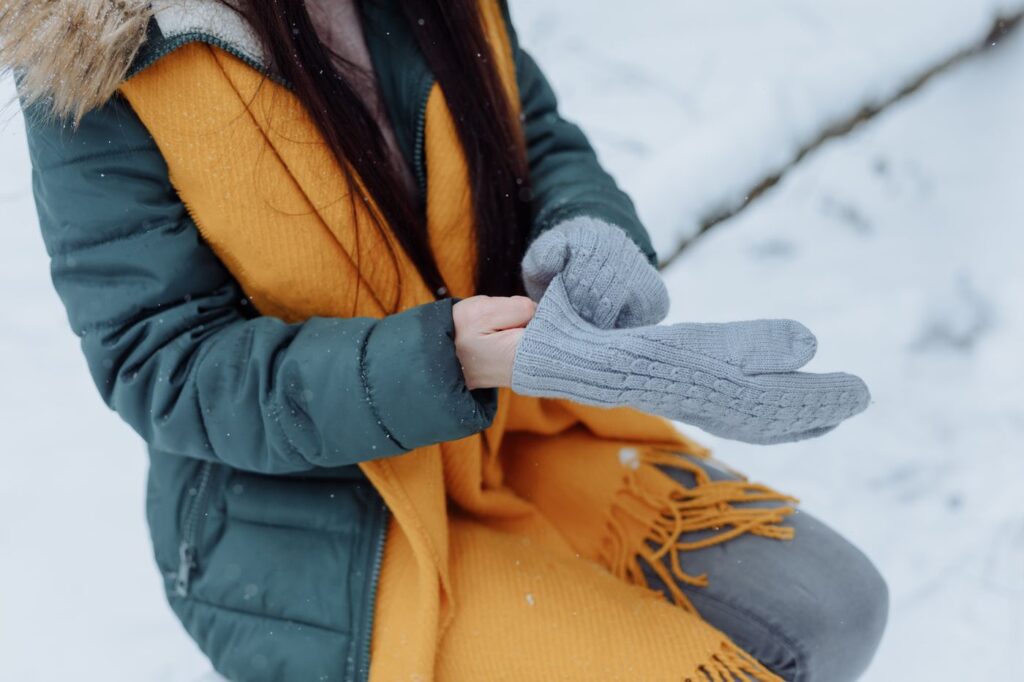
Your first Canadian winter is easier when you plan for the local weather and the time you will spend outside. A short walk in a wet coastal city needs different gear from a long wait for a bus in extreme inland cold.
First, check the forecast and wind chill. Then build a clothing system you can adjust. You do not need the most expensive coat, but you do need clothes that fit, stay dry and suit the conditions.
First Canadian winter: understand wind chill
The air temperature alone does not show the full risk from cold and wind. Environment and Climate Change Canada's wind-chill guidance explains why exposed skin can cool quickly.
Also, check the length of your trip and whether you can get indoors. A coat's advertised temperature rating is not a promise that every person will stay warm for every activity. Wet clothes, wind and long exposure change the situation.
 Landing Gear: A Guide to Short-Term Accommodation for Your First Month in Canada
Use three adjustable layers
Start with a base layer that helps move moisture away from the skin. Wool or suitable synthetic fabrics can work well. Avoid relying on damp cotton for a long cold-weather outing.
Next, add an insulating layer, such as fleece or a warm sweater. Then choose an outer layer that suits the wind, rain or snow. In wet conditions, water protection matters as well as insulation.
If you become too warm while walking, adjust a layer before your clothes get soaked with sweat. Also, bring a dry spare when your plans make that useful. The goal is to stay warm and dry, not to wear every item at once.
First Canadian winter: choose boots that fit
Look for insulation, water protection and traction suitable for your route. Try boots with the socks you expect to wear. Your toes need room, but the heel should not slide so much that walking feels unstable.
 Your Basic Employment Rights in Canada: Hours, Overtime, and Holiday Pay
Do not automatically buy one size larger. Fit varies by boot and foot. Instead, walk in the pair and check for pressure or slipping. Tight layers and socks can also reduce comfort and circulation.
Ice grips may help on some icy surfaces. However, they can behave differently on indoor floors. Follow their instructions and remove or adjust them where needed.
Protect your hands, head and face
Use a hat that covers the ears and gloves or mittens suited to the weather. Mittens often keep fingers warmer, while gloves make some tasks easier. Also, cover exposed skin when conditions call for it.
A scarf or neck warmer can protect the neck and lower face. Keep it dry and check that it does not interfere with safe movement or visibility. No single accessory makes extreme cold harmless.
 The Unwritten Rules of Tipping in Canada: A Guide for Every Situation
Know when to go indoors
Health Canada's extreme-cold guidance describes frostbite and hypothermia. If skin becomes numb or you feel unwell, seek warmth and appropriate help rather than trying to finish the outing.
Next, plan warm breaks during long trips. Keep a charged phone and let someone know about remote outdoor plans. If there is a medical emergency, call 911.
Buy first Canadian winter gear in stages
Start with the items needed for your normal week: coat, boots, warm socks, hat and hand protection. Then add activity-specific gear when you know what you will do.
Compare current local shops, outlet sales and second-hand options. Retail chains and stock change, so avoid relying on an old store list. Check used items for damage and make sure boots still provide grip.
 The Hidden Gem of Integration: Why You Should Join Your Local Community Centre
What should you check before leaving home?
Finally, check the forecast, travel time and dry layers. For example, a delayed bus can turn a short journey into a long wait. Having a warm indoor backup is often more useful than buying one extra accessory.
Before a remote outing during your first Canadian winter, read our 911 guide. Know how you will describe your location if you need urgent help, and keep a realistic route back to warmth.

Related content