
Notary Public vs. Commissioner of Oaths: Understanding the Difference in Canada
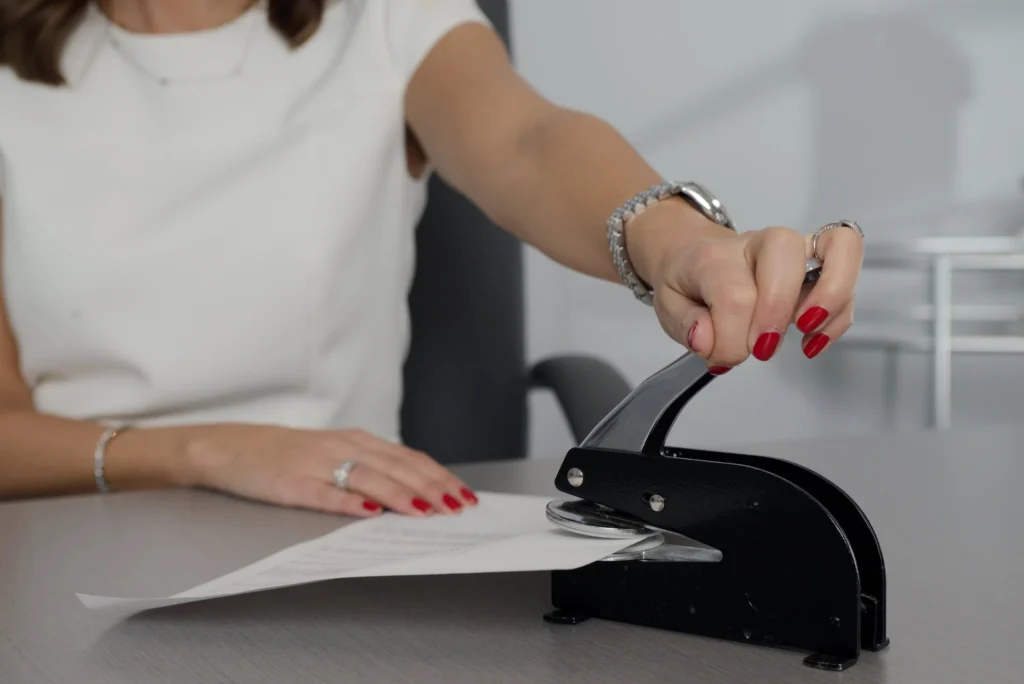
Legal Formalities: Notary Public vs. Commissioner of Oaths in Canada
For newcomers and long-term residents alike, navigating legal documentation in Canada often involves encountering terms like "Notary Public" and "Commissioner of Oaths." While both roles involve witnessing signatures and certifying documents, they have distinct powers and limitations. Understanding the difference is crucial to ensure your documents are properly authenticated and legally valid. This guide will clarify the roles of a Notary Public and a Commissioner of Oaths in Canada, and when you might need their services.
What is a Commissioner of Oaths?
A Commissioner of Oaths (or Commissioner for Taking Affidavits) is an individual authorized to administer oaths, affirmations, and declarations. Their primary role is to witness a person's signature on a document and to confirm that the person signing is indeed who they claim to be, and that they understand the contents of the document.
Key Functions of a Commissioner of Oaths:
- Administer Oaths and Affirmations: For affidavits (sworn statements) and statutory declarations.
- Witness Signatures: On documents where a signature needs to be witnessed and declared under oath.
Limitations:
- No Certification of True Copies: A Commissioner of Oaths cannot certify that a copy of a document is a true copy of the original.
- No International Recognition: Their authority is generally limited to the jurisdiction (province/territory) in which they are appointed. Documents commissioned by them may not be accepted outside Canada.
Who Can Be a Commissioner of Oaths?
Many professionals are automatically Commissioners of Oaths by virtue of their position (e.g., lawyers, paralegals, Members of Parliament, some government employees). Others are specifically appointed by the provincial government.
What is a Notary Public?
A Notary Public in Canada has broader powers than a Commissioner of Oaths. They can administer oaths, affirmations, and declarations, but they also have the authority to certify true copies of documents and perform other notarial acts.
Key Functions of a Notary Public:
- All Functions of a Commissioner of Oaths: They can administer oaths and witness signatures.
- Certify True Copies: They can certify that a photocopy of a document is a true and accurate copy of the original. This is often required for immigration applications, academic transcripts, or legal documents.
- Witness Signatures on Affidavits and Statutory Declarations: Similar to a Commissioner of Oaths.
- Notarize Documents for International Use: Documents notarized by a Notary Public are generally more widely accepted internationally than those commissioned by a Commissioner of Oaths.
Who Can Be a Notary Public?
In most Canadian provinces, only lawyers are automatically Notaries Public. In British Columbia, there is a separate profession of Notaries Public who are not lawyers but are trained and licensed to perform notarial acts.
Notary Public vs. Commissioner of Oaths: A Comparative Table
| Function | Commissioner of Oaths | Notary Public |
|---|---|---|
| Administer Oaths/Affirmations | Yes | Yes |
| Witness Signatures | Yes | Yes |
| Certify True Copies | No | Yes |
| International Recognition | Limited | Generally accepted |
When Do You Need Which Service?
- Commissioner of Oaths: You typically need a Commissioner of Oaths for documents that require a sworn statement or declaration for use within Canada. Common examples include affidavits for court proceedings, statutory declarations for insurance claims, or certain government forms.
- Notary Public: You need a Notary Public when you require certified true copies of original documents (e.g., for immigration applications, university admissions, professional licensing). You also need a Notary Public if your document is intended for use outside Canada, as their seal and signature carry more international weight.
How to Find a Notary Public or Commissioner of Oaths
- Lawyers and Paralegals: Most lawyers and many paralegals (in Ontario) are Commissioners of Oaths and Notaries Public.
- Government Offices: Some government offices (e.g., Service Canada, ServiceOntario) may have Commissioners of Oaths available for specific government forms, often for free.
- Banks: Some banks offer commissioning services for their clients.
- Dedicated Notary Public Offices: In BC, you can find dedicated Notary Public offices.
- Online Search: Use terms like "Notary Public near me" or "Commissioner of Oaths [your city]" to find services.
Conclusion: Ensuring Your Documents are Valid
Understanding the distinction between a Notary Public and a Commissioner of Oaths is essential for ensuring your legal documents are properly authenticated in Canada and abroad. While both can witness signatures, only a Notary Public can certify true copies and provide broader international recognition. Always clarify which service you need before seeking assistance to avoid delays and ensure your documents are legally valid for their intended purpose.

Related content